ST. JOSEPH’S HOSPITAL
Empire Services • January 31, 2009
JANUARY, 2009
Initially the bid date given was for an immediate start, but the award bid date was delayed for three months. Due to additional delays with permits and utilities the work did not start for an additional two months with the owner’s request that Empire’s work was to be completed and demobilized based on the original start date given.
The project required four buildings to remain standing, one being the original historic chapel located centrally among all of the demolition. Additionally, three exterior walls and a tower of the original stone structure had to remain independently intact to be incorporated into to the new proposed structure. This posed challenges that only a well organized team could conquer. One of the walls to remain was attached to the chapel and needed steel shoring with foundations in place for the wall to stand alone prior to separating and complete demolition of the remainder of the building. The tower and two other walls also required steel shoring. To erect the steel shoring, a JD80 Excavator needed to be crane lifted over the four story building and placed into the courtyard to excavate for the footers. Next, the concrete for the foundations had to be pumped into the interior of the courtyard. Then the steel shoring was partially assembled in the rear parking lot and lifted over the building and placed into the courtyard using a 300 ton hydraulic rock crane. The four buildings to remain were completely gutted of all interior finishes and mechanical systems to make way for the future Reading Citadel School. At the rear of the property, the prestressed 65,000 sq ft concrete parking garage was demolished and the resulting concrete from the garage, footers and walls were crushed and stockpiled on site to be used as future backfill material. All other demolition debris was hauled away using dumpsters and trailers to our sister company Berks Transfer to be recycled.
With all eyes on Empire as the Prime Contractor the project was accomplished with a team of over fifty laborers, five operating engineers, four foremen and a superintendent. At one point in the job there were over seventy workers on site between the subcontractors and Empire’s work force.
Empire utilized the services of various subcontractors to handle different aspects of the project such as electrical disconnects, capping, and relocation to keep temporary power in the buildings to remain. A sprinkler contractor was hired to separate systems and maintain fire protection operation as long as possible as per city codes. It was also necessary to rework standpipe systems so that the buildings to remain would have fire protection until such time as the new sprinklers were installed. Asbestos removal was a major portion of this project with thousands of feet of pipe insulation in the walls and underground tunnels as well as numerous areas of sprayed on fireproofing and transite panels. Thanks to the expertise of the asbestos contractor and their staff on site they were able to keep ahead of the demolition process and assist in adhering to the schedule. Empire hired both a structural steel and a foundation contractor to help in the underpinning and stabilization of existing sandstone walls of the original hospital structure to be salvaged and incorporated back into the new Reading Citadel School. Elk Environmental, a sister company of Empire Wrecking was contracted to explore, remediate, and secure any underground cisterns discovered during excavation.
In addition to all the subcontract work on this project, Empire had to complete over 200,000 sq ft of interior demolition which included the general hospital area, operating room and two large mechanical rooms. This had to be done without the use of motorized equipment due to the allowable floor loads of the buildings.
Prior to demolition, the first step was the remediation of all asbestos containing materials. This process along with the other subcontractors had to be coordinated to assure the schedule of twenty six weeks. By aggressive planning Empire Wrecking was able to complete the project two weeks ahead of schedule. This was possible because the Empire Wrecking team accelerated the pace by mobilizing additional equipment, with four excavators simultaneously excavating, hammering concrete, munching walls, and pulverizing footers . At the height of the project there were five sub contractors involved with the project and five different locations being worked on at the same time.
The demolition presented serious challenges. This was not a simple task as all of the buildings interconnected with other buildings – some of which were to stay and some which were to be taken down and still others that were to have just the exterior walls remain. This project utilized an experienced work force at these areas of separation. The only building that stood alone was a precast concrete parking garage. This part of the project was completed with the use of two 450 JD Ultra High excavators; a 300 Ultra High excavator, and numerous other equipment with grapples, hammers and processor attachments.
Empire completed the job including all change orders and the coordinating of additional asbestos, underground tank removals and over excavation of contaminated material and disposal on schedule. As always, Empire Wrecking Co. proved they were up to the Challenge
Since leaving the site the general package for renovating the remaining buildings and construction of the new school has been awarded to a General Contractor with Empire going back to the site once again for the final fit out as a subcontractor. This will consist of minor demolition, exterior wall openings, roof removals, new floor openings etc.
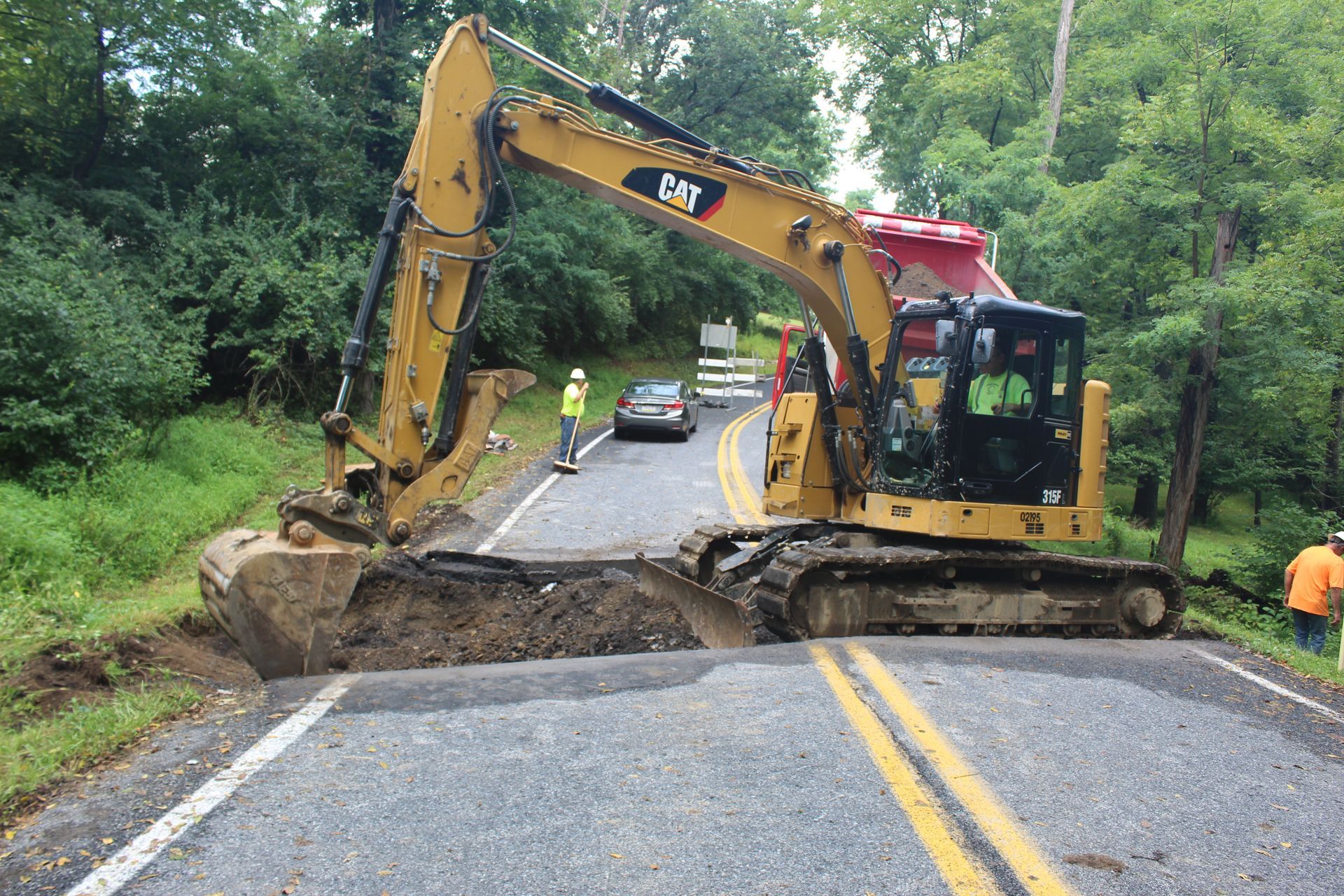
This summer, Empire Services stayed busy tackling culvert replacement projects across multiple counties. Each project presented its own unique challenges—from working around an active golf course to removing severely corroded piping and completing excavation in tight workspaces. Through it all, our crews brought their “A” game, combining experience, knowledge, and the right equipment to get the job done safely and efficiently.
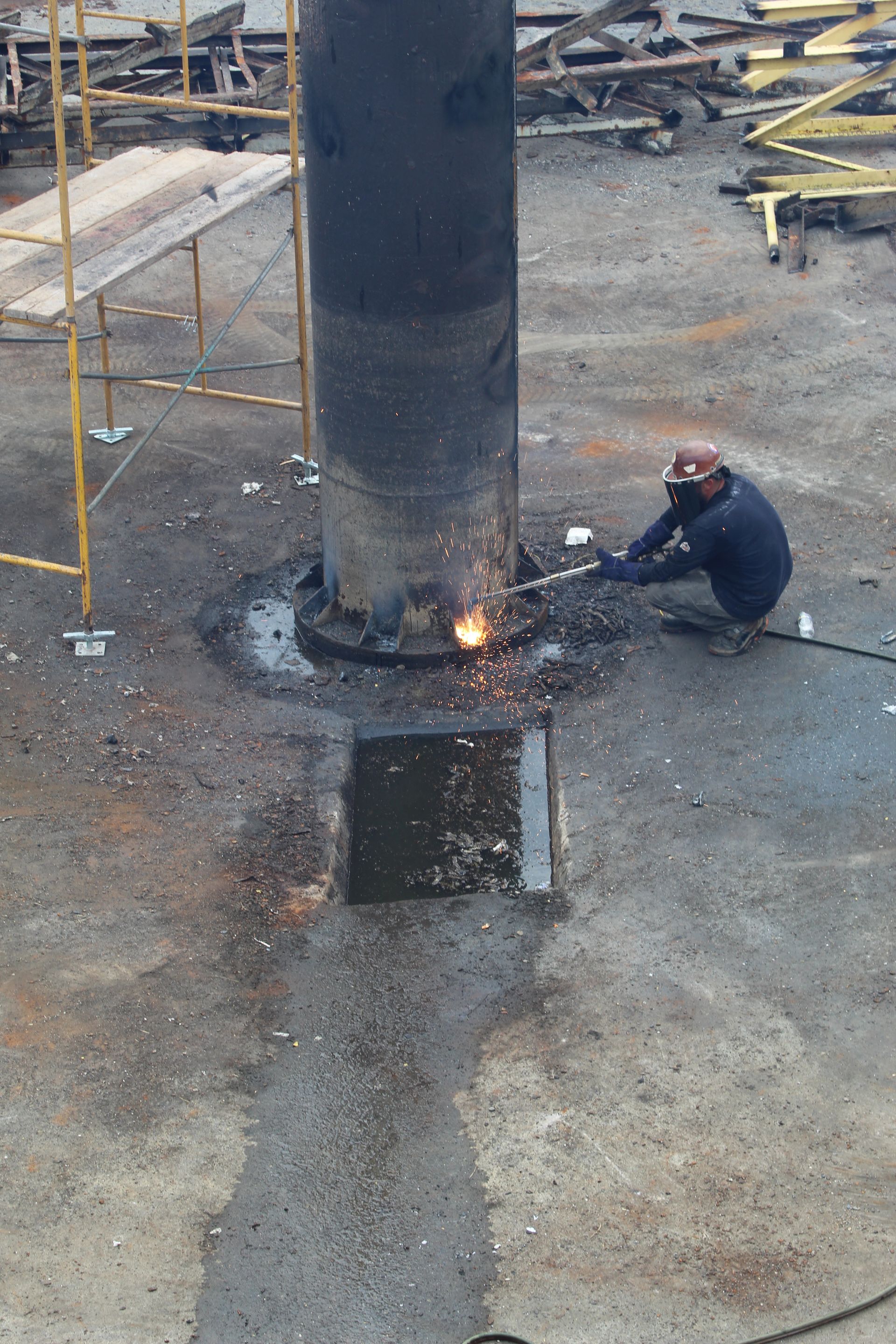
When a building is scheduled for demolition, the first image that often comes to mind is an excavator tearing through concrete, brick, and steel. While heavy machinery does much of the work, demolition rarely relies on a single machine. Successful demolition combines equipment, experienced operators, careful planning, and specialized techniques to safely dismantle components and remove challenging materials. One technique is torch cutting for separating structural steel and other metal components that heavy equipment cannot always remove efficiently. For experienced demolition contractors like Empire Services, knowing when and how to use torch cutting helps crews complete complex demolition projects.
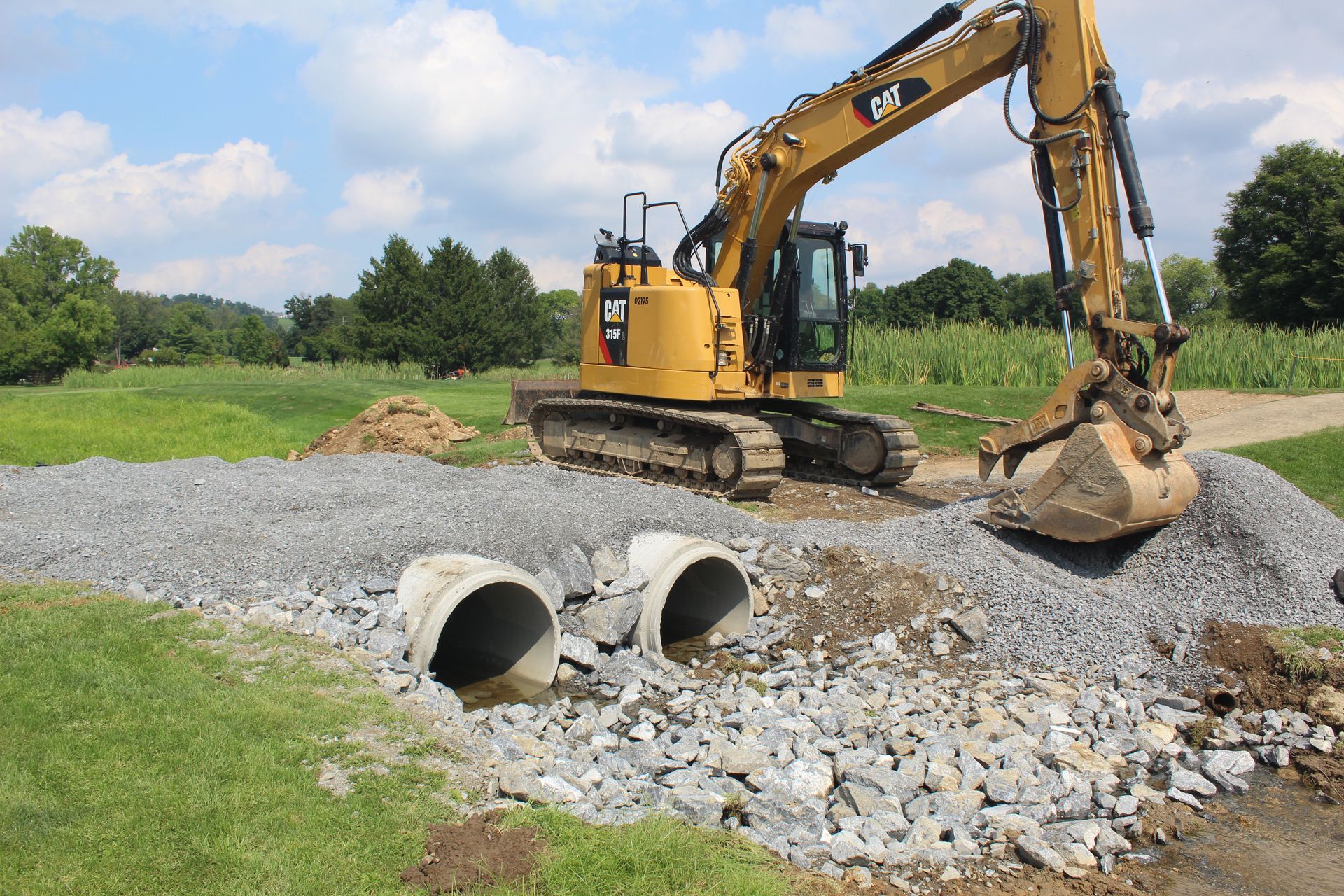
It’s hard to believe summer is winding down! Our demolition and excavation teams worked tirelessly across the region, keeping projects on schedule and ensuring client satisfaction. From complex industrial dismantling to precision culvert installation, we brought the talent, equipment, and dedication needed to deliver safe and successful results. Below are some of our summer project highlights.
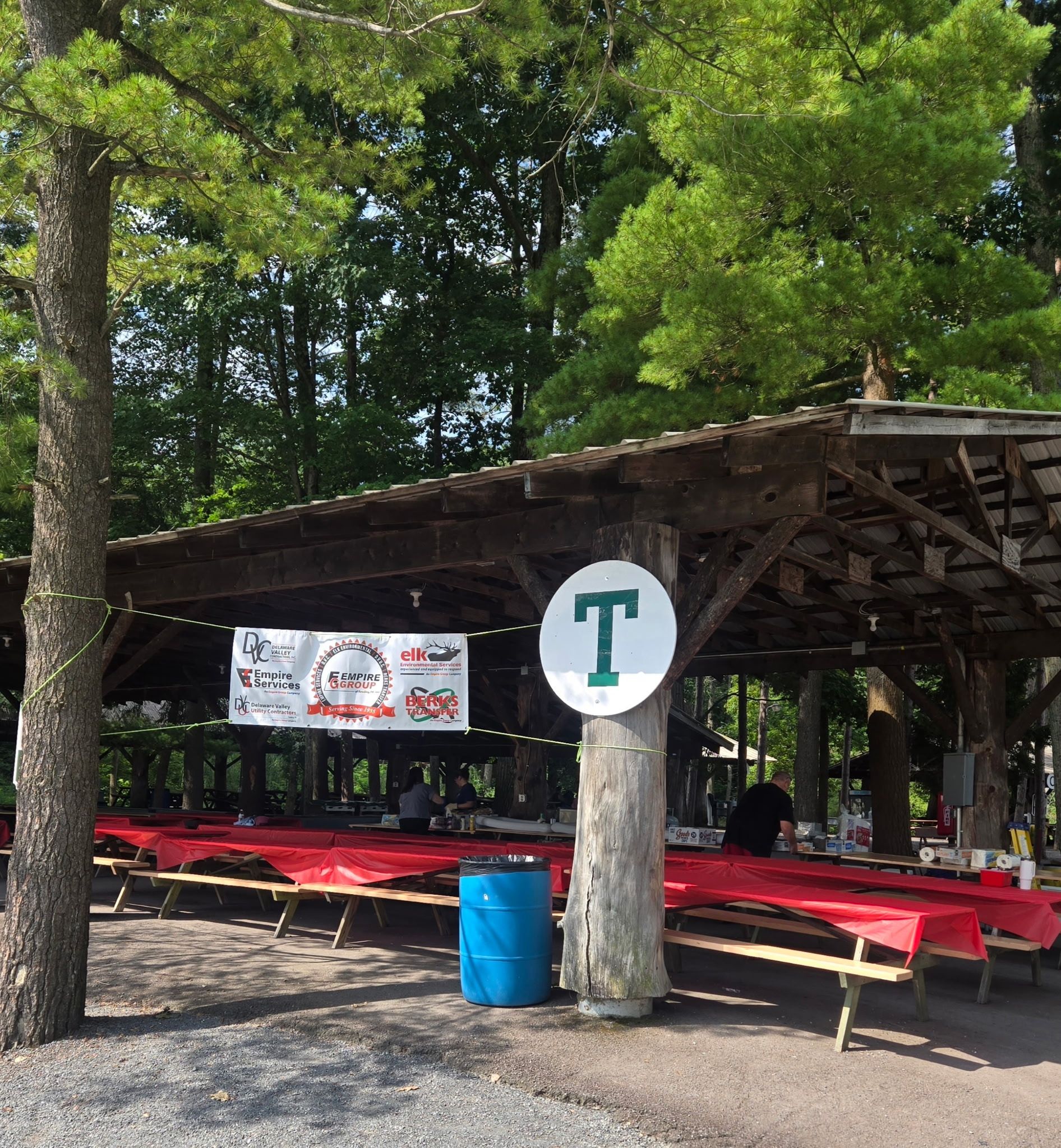
On Saturday, August 15th, Empire Group employees and their families gathered at Knoebels Amusement Resort in Elysburg, PA, for a day filled with good food, laughter, classic rides, and quality time together. With nearly 100 employees and family members in attendance, this year’s Empire Group Family Fun Day was a wonderful opportunity to step away from the daily routine and enjoy being together. A Picnic Lunch to Kick Off the Day Before heading into the park, everyone gathered for a delicious picnic lunch featuring plenty of summertime favorites. A big thank you goes to Russ and Kristi Mountjoy for preparing the meal, providing the food, and manning the grill. With full plates and plenty of good conversation, it was the perfect way to start the day. Then, it was time to head into the park for roller coasters, train rides, games, and attractions. Making Memories, One Ride at a Time Throughout the day, everyone enjoyed all the park had to offer. Some took on the thrills of the rides, while others enjoyed a more leisurely day exploring the park. Rick and Melissa Dom took a relaxing train ride with their Yorkie-Poo, Ahsoka Tano. Meanwhile, Ellyn Harkin's niece and nephew may have been too small to ride the famous Phoenix wooden coaster, but that didn't stop them from getting in on the fun. They posed for a memorable picture in one of the coaster's cars instead! This year’s location was especially fitting. Knoebels is celebrating its 100th anniversary. The park traces its roots to 1926, when Henry Knoebel opened a swimming pool, restaurant, and carousel at his farm near Elysburg. Over the past century, Knoebels has grown into a beloved Pennsylvania destination with more than 100 rides and attractions, while maintaining the family-friendly atmosphere that has been part of its story from the beginning. Celebrating Empire Group's Family Fun Day at a Pennsylvania attraction with a century of family memories behind it was a fitting way to celebrate our own company family, with 70 years of memories and our 10 th anniversary at Knoebels. A Special Thank You We extend our heartfelt thanks to Todd & Karen O’Neill and Harry & Cathy O’Neill for making this special day possible. Their generosity and thoughtfulness allowed employees and their families to come together and enjoy one another’s company outside of the workplace. More Than a Day at the Park This event brought the entire Empire Group together, creating fun memories while enjoying a wonderful lunch, friendship, and a variety of classic rides. It’s just one of the many events the company hosts to celebrate employees and build connections. These moments of joy and community are what make Empire Group feel like a family. We can’t wait until next year’s Family Fun Day!
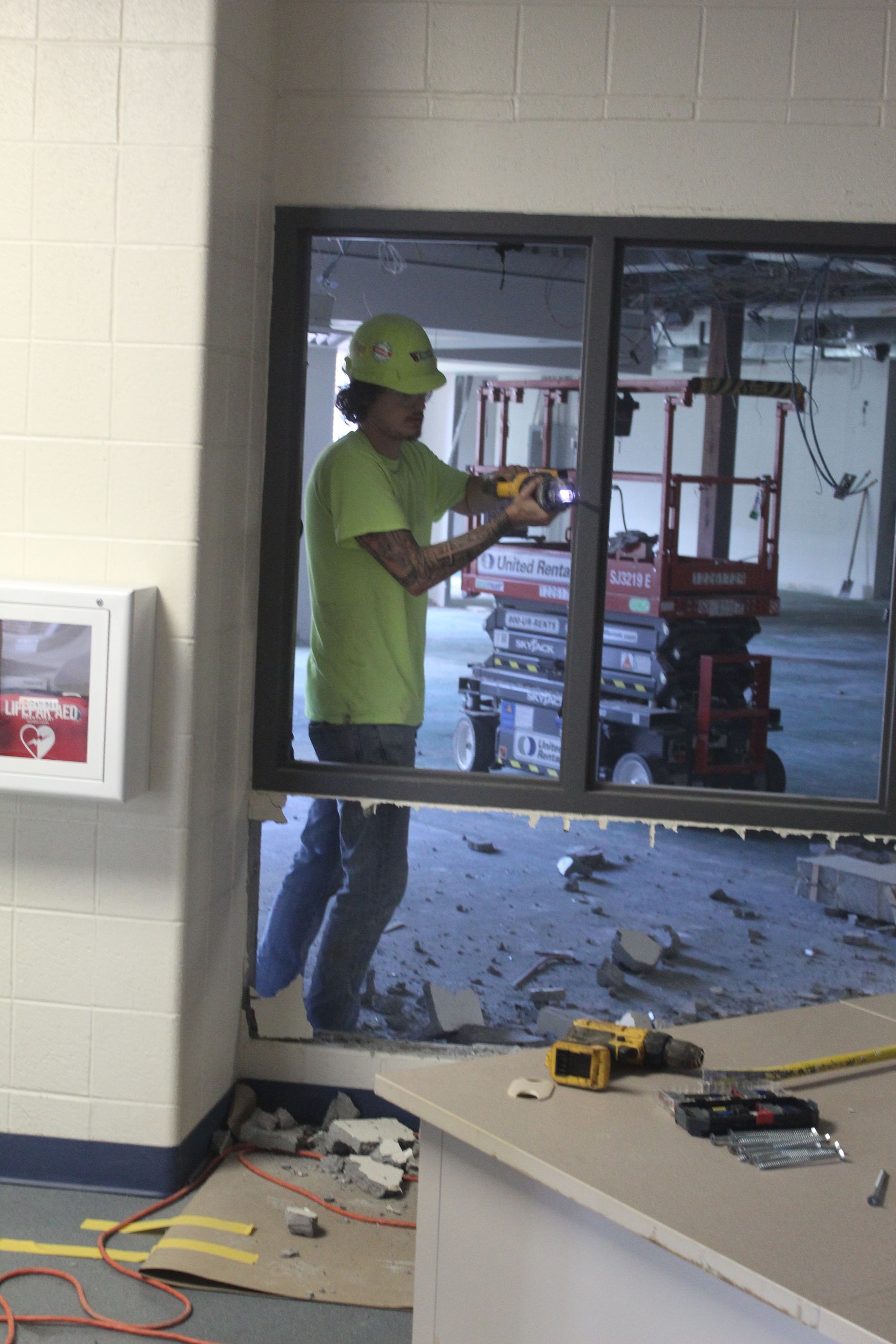
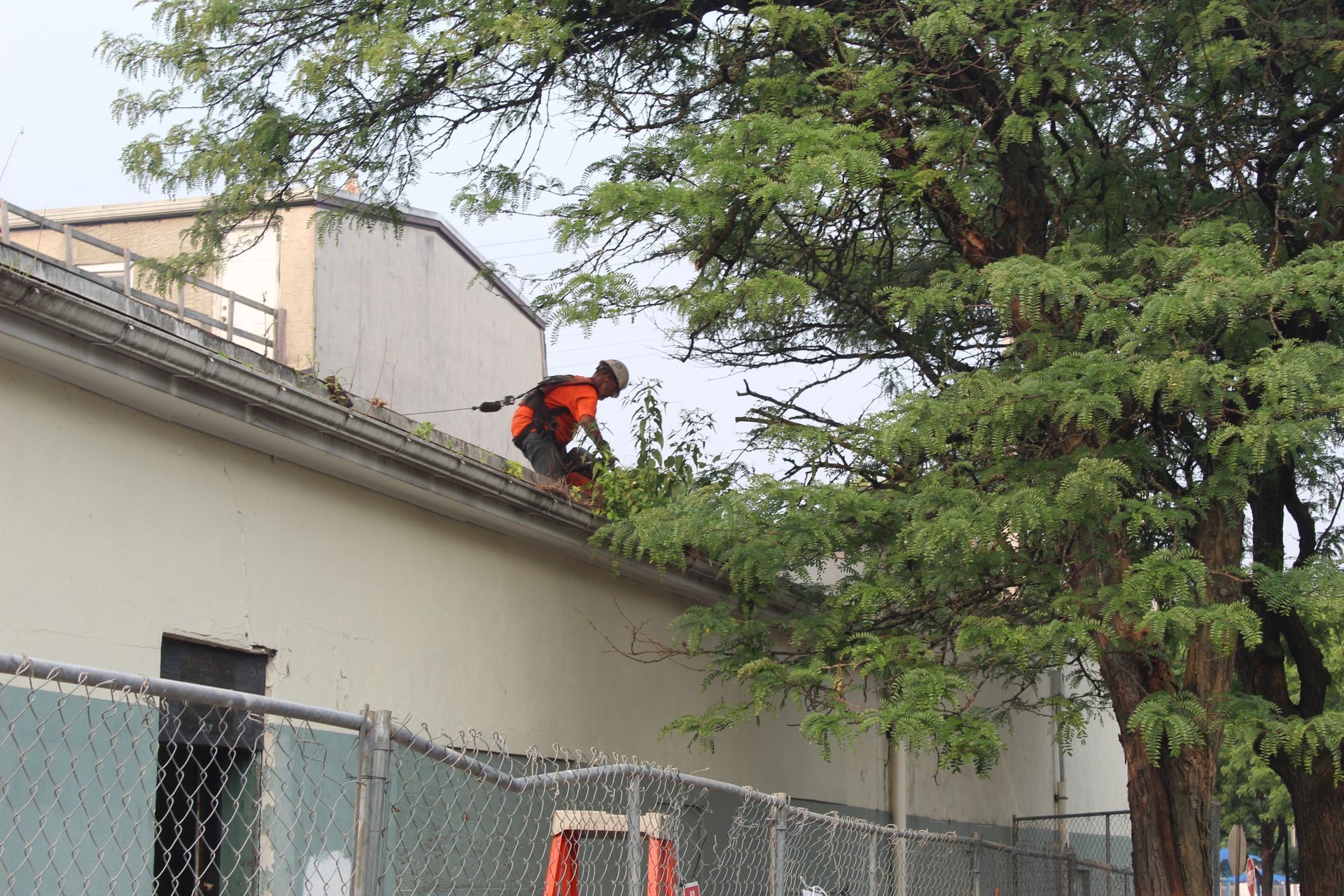
Demolition is about more than tearing something down. It is often the first step toward giving an existing property a new purpose. An outdated building may need to be removed for new construction, an aging structure may need to be carefully dismantled while preserving portions of the property, or an existing space may need to be stripped down before it can be renovated. In urban environments, such as Reading, PA, these projects can present unique challenges. Buildings being demolished are sometimes located close to homes, businesses, and other structures, which can make job site space limited, reroute pedestrians and vehicles, and necessitate protection of utilities and other infrastructure. Completing this type of demolition requires careful planning, specialized equipment, and an experienced workforce that understands how to work safely in limited spaces. Empire Services brings that experience and precision to challenging demolition projects throughout Reading and the tri-state area.
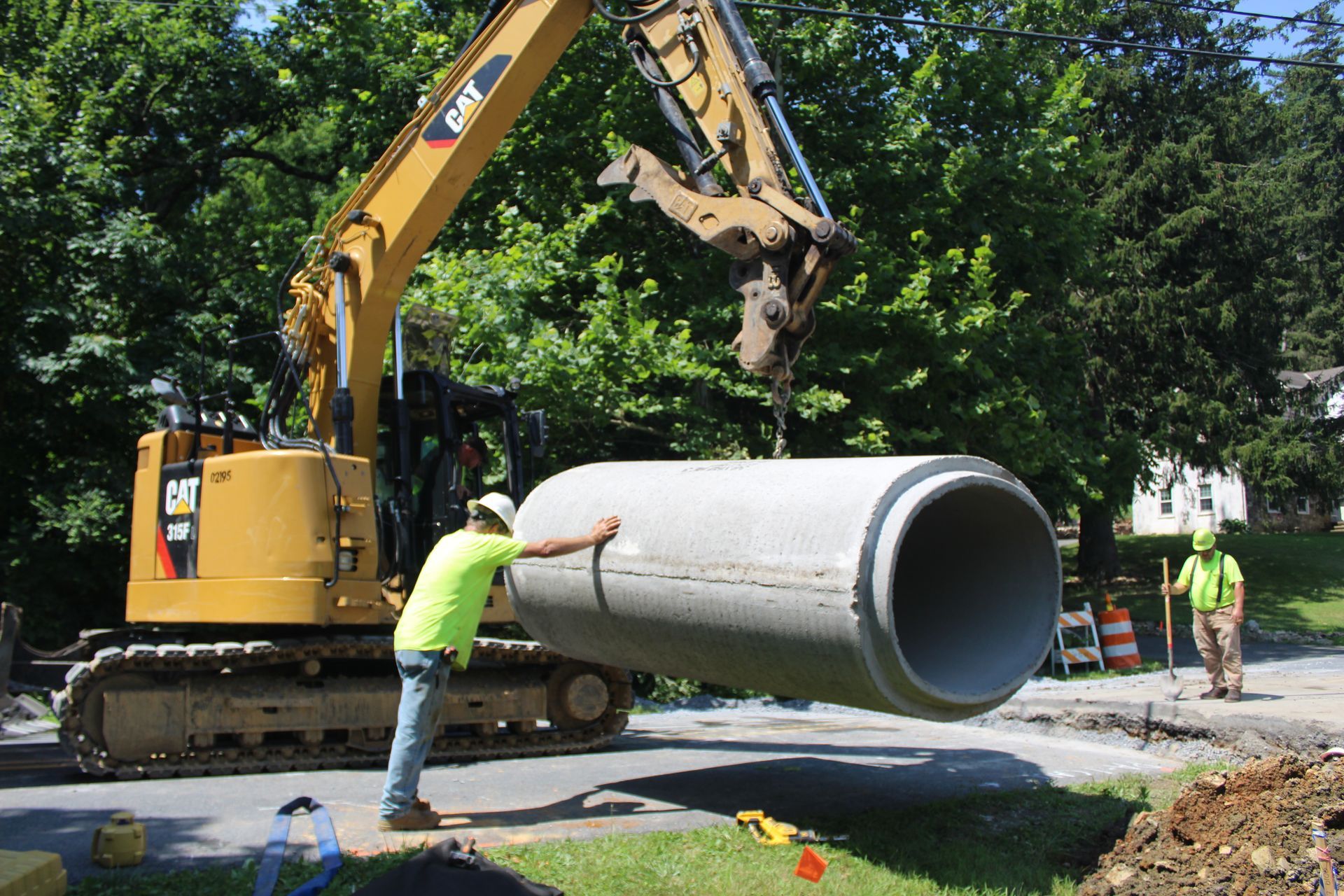
When people think about roads and transportation infrastructure, bridges and highways often come to mind. Yet some of the most important infrastructure is hidden beneath our feet. Storm sewer culverts carry water under roads, railroads, driveways, and embankments, preventing flooding, protecting roadways, and preserving the surrounding environment. Although they are rarely noticed, culverts play a vital role in keeping communities safe. When these underground structures begin to fail, the consequences can include flooding, roadway damage, sinkholes, traffic disruptions, and costly emergency repairs. At Empire Services, preserving infrastructure means staying ahead of these problems. The company's experienced crews recently completed a storm sewer culvert replacement project for Earl Township, restoring an aging drainage system that will continue protecting the roadway and surrounding properties for years to come.
Our demolition and excavation teams worked tirelessly this spring, keeping projects on schedule and ensuring client satisfaction. As summer begins, our team continues to tackle a variety of projects, from precise school upgrades to intricate industrial demolitions. Below are some of our recent project highlights.
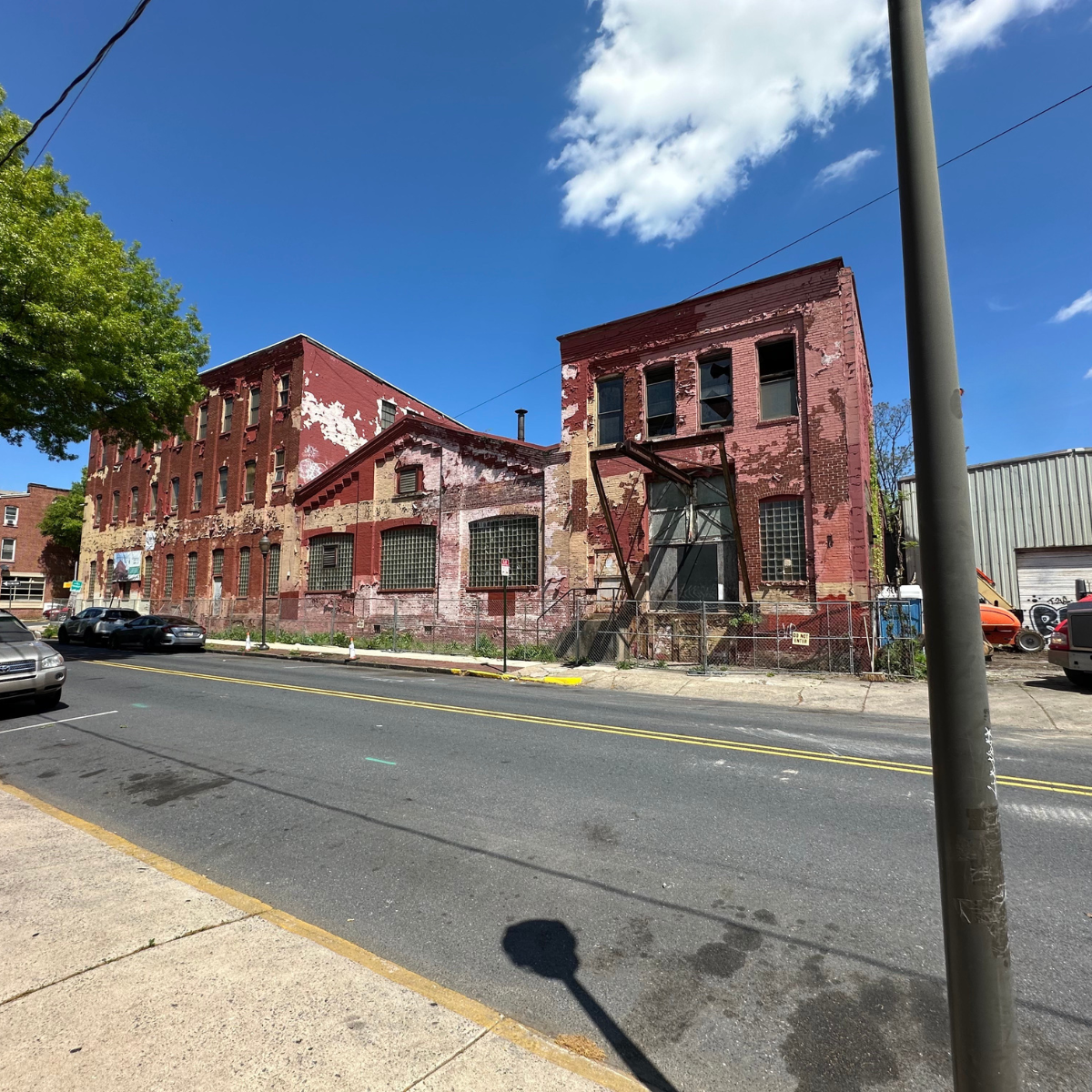
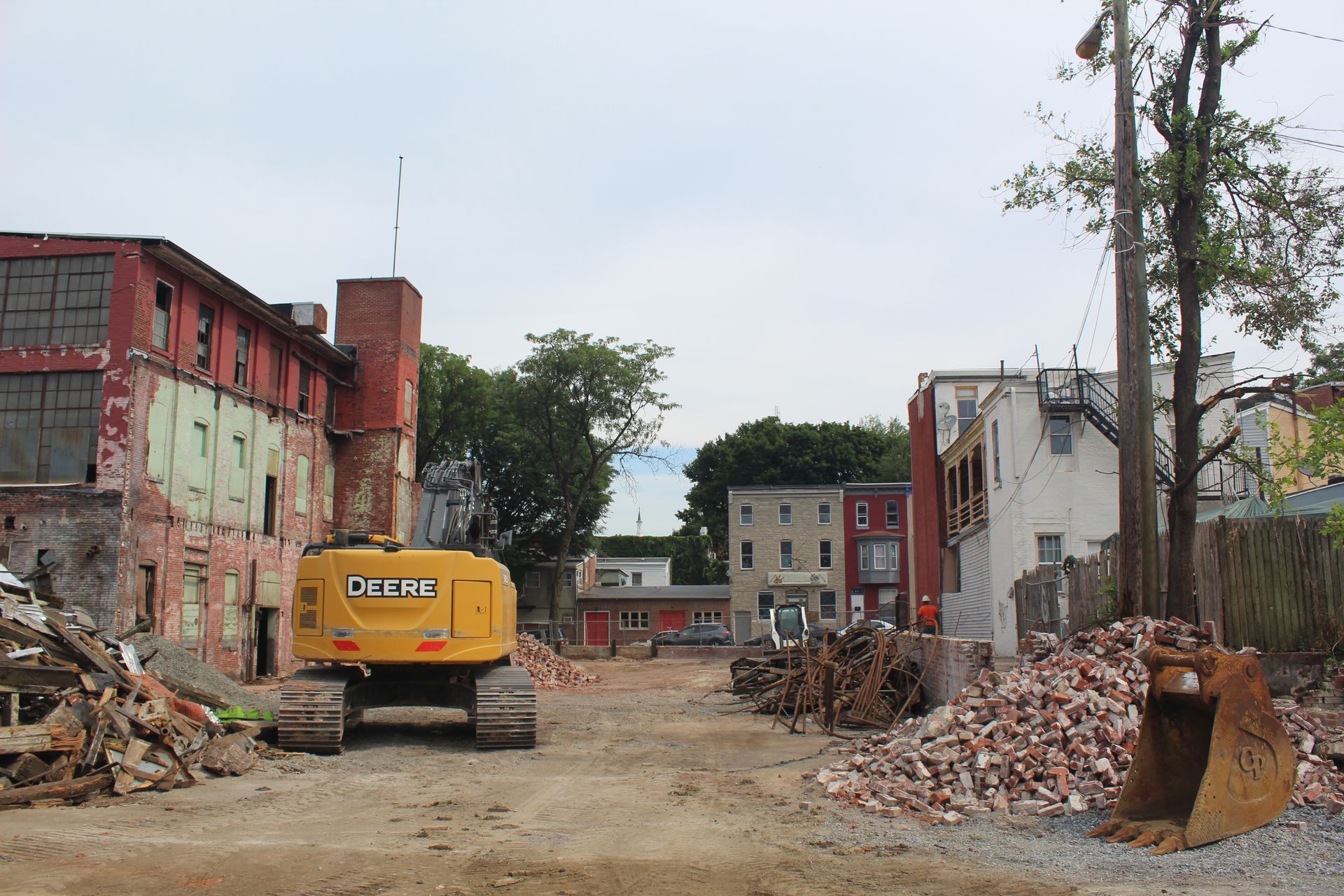
As communities evolve over time, preserving their history creates opportunities for the future, which is what truly drives redevelopment. In Reading, Pennsylvania, that balance is taking shape within the Prince Historic District, where a nearly century-old industrial property is being transformed into modern senior apartments. Empire Services is proud to play a role in this exciting redevelopment project, helping prepare the site for its next chapter while honoring the area's rich heritage.
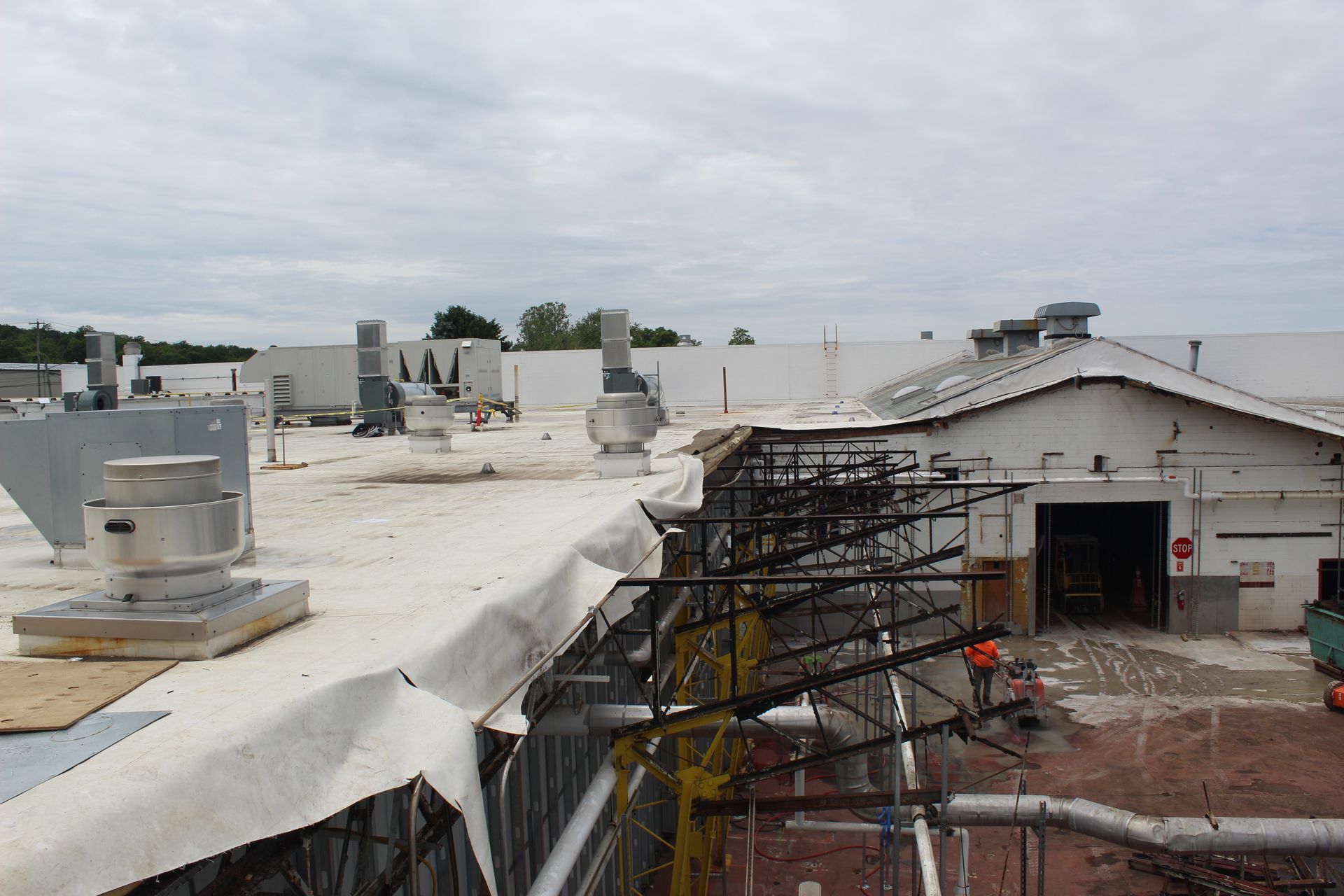
If you ever played the game Operation , you probably remember the pressure. One wrong move with the tweezers and suddenly the buzzer sounded, Cavity Sam’s nose lit up, and your turn was over. Winning the game required patience, coordination, and a steady hand. That same level of precision is happening right now on one of Empire Services’ industrial demolition projects. Empire Services has been contracted by Warfel Construction Company to remove an old roof and support structure at a processing plant to prepare the space for brand new roof construction. While roof demolition may sound straightforward, this project is anything but ordinary. Directly beneath the roof, located in the middle of the active processing plant, are vital active utility lines that can’t be disrupted, creating a high-stakes environment where every cut matters. Just like the game Operation , the Empire Services team must work carefully, methodically, and strategically to avoid “touching the sides."