READING HEALTH SYSTEM SPRING RIDGE CAMPUS
Empire Services • May 31, 2014
MAY, 2014
EMPIRE RESPONDS TO SINKHOLE EMERGENCY AT READING HEALTH SYSTEM'S SPRING RIDGE CAMPUS
It was 12:30 p.m. on Sat. May 10, 2014, when Empire received the emergency call. A 30-by-40-foot sinkhole had opened up in a grassy area in the parking lot of Reading Health System’s Spring Ridge Campus.
Experts from Empire Services, Delaware Valley Contractors (DVC), and Delaware Valley Utility Contractors (DVUC) – three subsidiary companies within the Empire Group – arrived on the scene within 30 minutes. The crews worked through Mother’s Day weekend to restore safety and stability to the site.
“First, all utilities had to be located and shut off,” said Dean Smith, Vice President of Operations of Empire Services. “Then we started to dig out all the mud with a John Deere 200 excavator
. Next we used a Dickinson crane to remove the water meter pit.”
Reading Health System officials reported to the media that the sinkhole occurred in the worst possible spot - where all the campus’ utility and telecommunications systems connect to external lines. They said the sinkhole might have been caused by a snapped water line.
An OSHA official from Harrisburg arrived at the site on Mon. May 12. “The OSHA inspection went very well,” said Smith. “We were in compliance with all regulations.”
The surgery and medical center closed through Monday. The next day, all utilities were restored and the facility reopened.
Empire’s work continued for the next two weeks, and included filling in the 17-foot deep hole with 230 tons of stone, followed by lean concrete, soil, and then blacktop.
“This was a really outstanding combined effort,” said Smith. “These guys answer the call on a weekend because they have great pride in their work, and in every job we do.”
Experts from Empire Services, Delaware Valley Contractors (DVC), and Delaware Valley Utility Contractors (DVUC) – three subsidiary companies within the Empire Group – arrived on the scene within 30 minutes. The crews worked through Mother’s Day weekend to restore safety and stability to the site.
“First, all utilities had to be located and shut off,” said Dean Smith, Vice President of Operations of Empire Services. “Then we started to dig out all the mud with a John Deere 200 excavator
. Next we used a Dickinson crane to remove the water meter pit.”
Reading Health System officials reported to the media that the sinkhole occurred in the worst possible spot - where all the campus’ utility and telecommunications systems connect to external lines. They said the sinkhole might have been caused by a snapped water line.
An OSHA official from Harrisburg arrived at the site on Mon. May 12. “The OSHA inspection went very well,” said Smith. “We were in compliance with all regulations.”
The surgery and medical center closed through Monday. The next day, all utilities were restored and the facility reopened.
Empire’s work continued for the next two weeks, and included filling in the 17-foot deep hole with 230 tons of stone, followed by lean concrete, soil, and then blacktop.
“This was a really outstanding combined effort,” said Smith. “These guys answer the call on a weekend because they have great pride in their work, and in every job we do.”
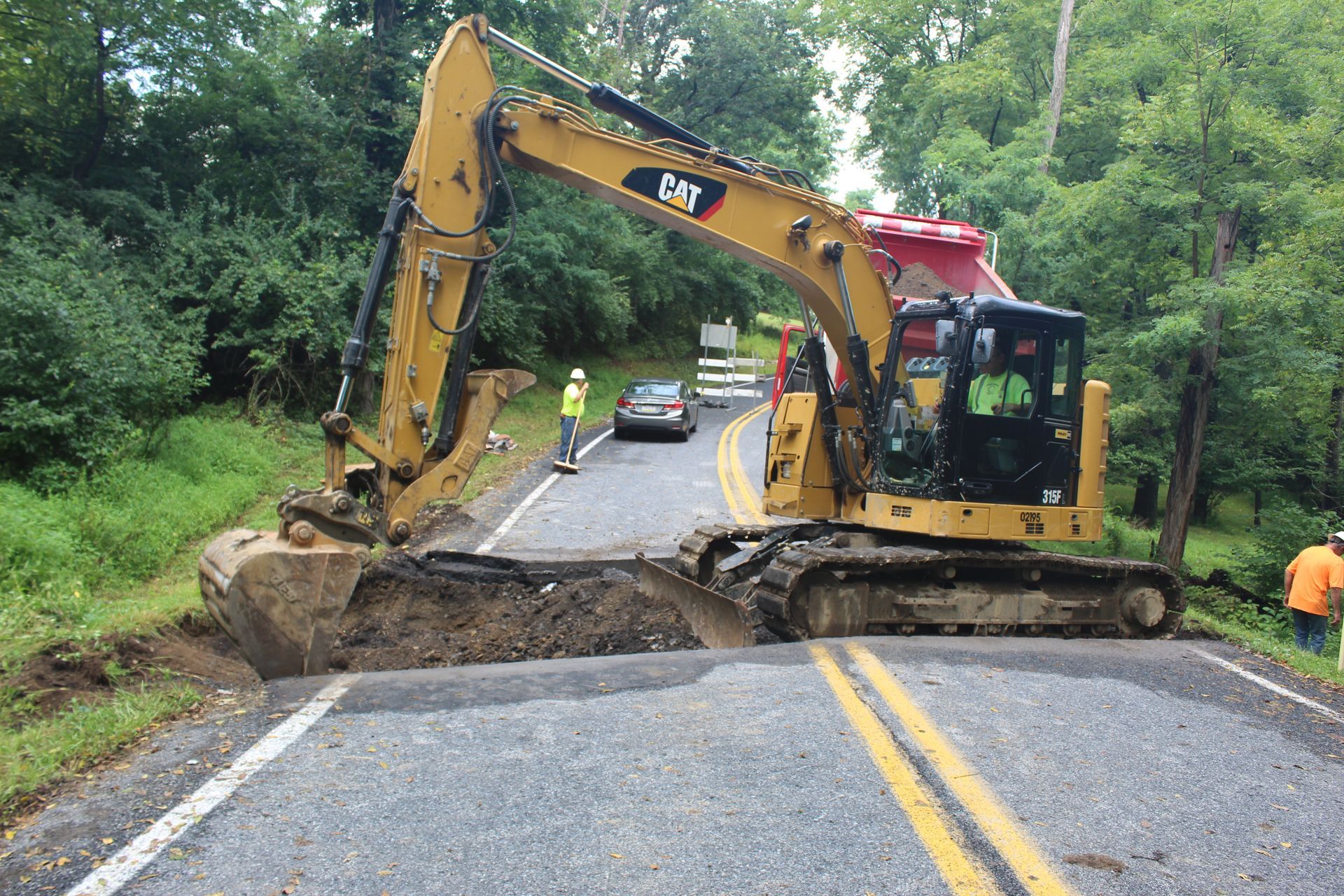
This summer, Empire Services stayed busy tackling culvert replacement projects across multiple counties. Each project presented its own unique challenges—from working around an active golf course to removing severely corroded piping and completing excavation in tight workspaces. Through it all, our crews brought their “A” game, combining experience, knowledge, and the right equipment to get the job done safely and efficiently.
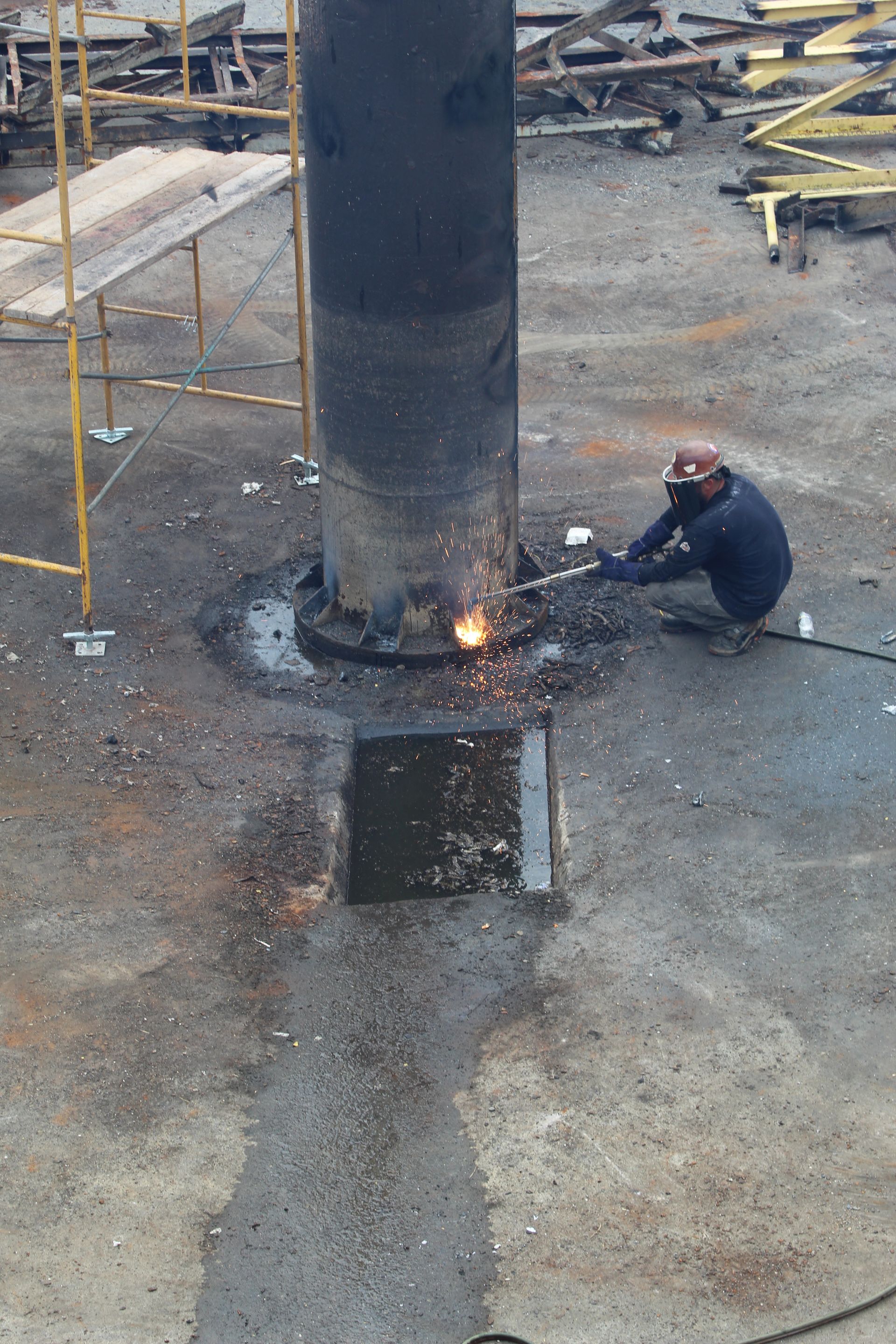
When a building is scheduled for demolition, the first image that often comes to mind is an excavator tearing through concrete, brick, and steel. While heavy machinery does much of the work, demolition rarely relies on a single machine. Successful demolition combines equipment, experienced operators, careful planning, and specialized techniques to safely dismantle components and remove challenging materials. One technique is torch cutting for separating structural steel and other metal components that heavy equipment cannot always remove efficiently. For experienced demolition contractors like Empire Services, knowing when and how to use torch cutting helps crews complete complex demolition projects.
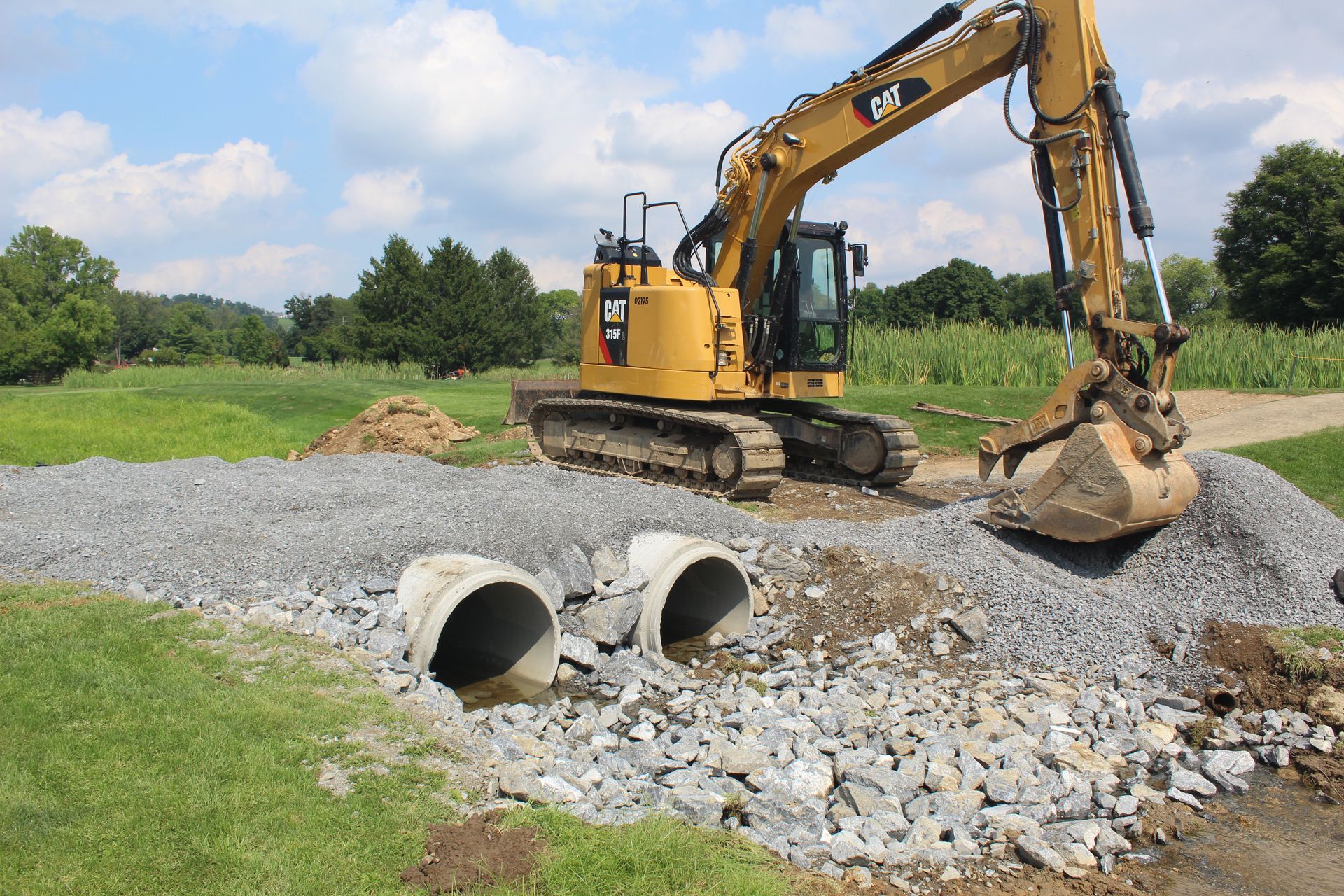
It’s hard to believe summer is winding down! Our demolition and excavation teams worked tirelessly across the region, keeping projects on schedule and ensuring client satisfaction. From complex industrial dismantling to precision culvert installation, we brought the talent, equipment, and dedication needed to deliver safe and successful results. Below are some of our summer project highlights.
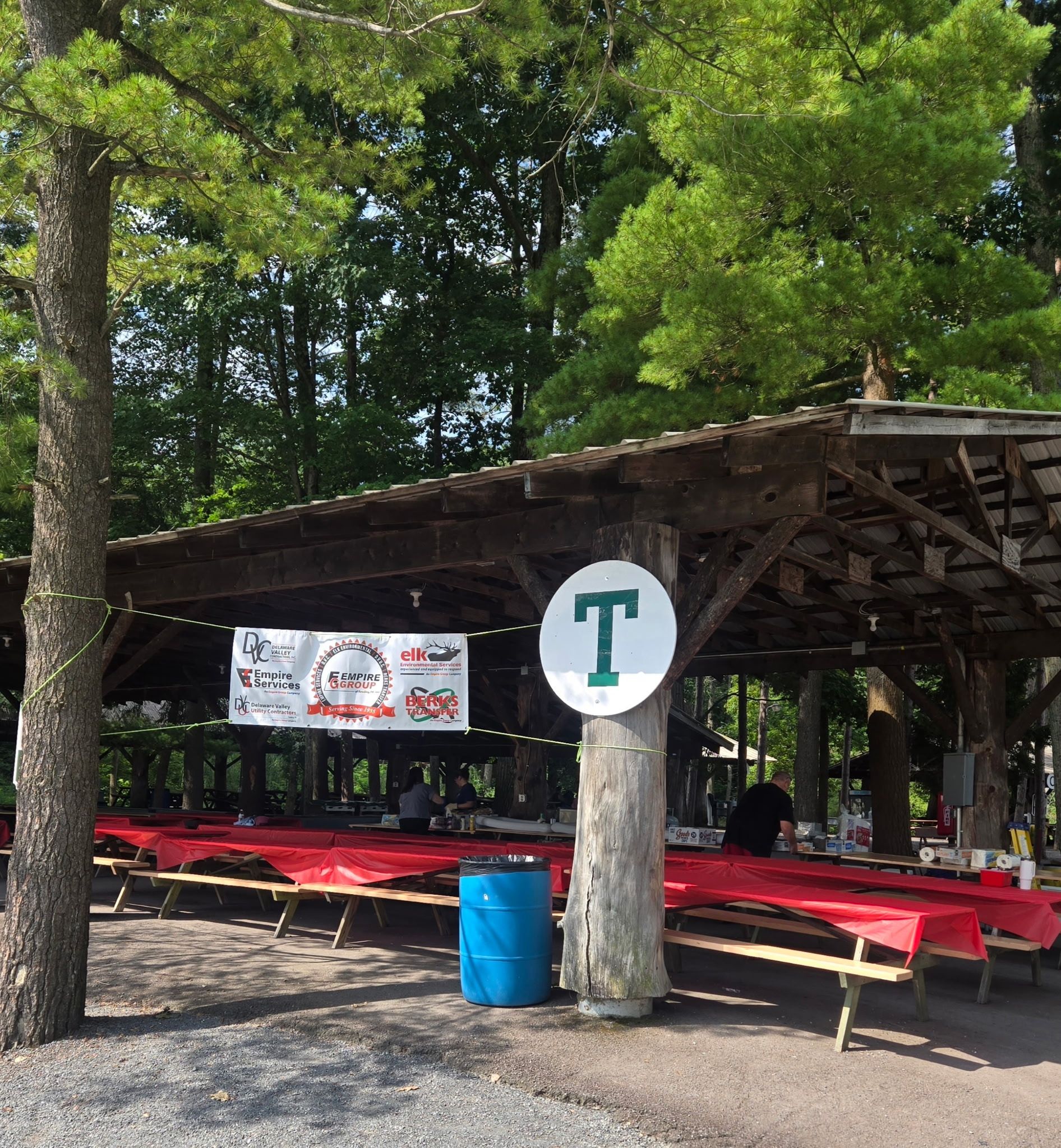
On Saturday, August 15th, Empire Group employees and their families gathered at Knoebels Amusement Resort in Elysburg, PA, for a day filled with good food, laughter, classic rides, and quality time together. With nearly 100 employees and family members in attendance, this year’s Empire Group Family Fun Day was a wonderful opportunity to step away from the daily routine and enjoy being together. A Picnic Lunch to Kick Off the Day Before heading into the park, everyone gathered for a delicious picnic lunch featuring plenty of summertime favorites. A big thank you goes to Russ and Kristi Mountjoy for preparing the meal, providing the food, and manning the grill. With full plates and plenty of good conversation, it was the perfect way to start the day. Then, it was time to head into the park for roller coasters, train rides, games, and attractions. Making Memories, One Ride at a Time Throughout the day, everyone enjoyed all the park had to offer. Some took on the thrills of the rides, while others enjoyed a more leisurely day exploring the park. Rick and Melissa Dom took a relaxing train ride with their Yorkie-Poo, Ahsoka Tano. Meanwhile, Ellyn Harkin's niece and nephew may have been too small to ride the famous Phoenix wooden coaster, but that didn't stop them from getting in on the fun. They posed for a memorable picture in one of the coaster's cars instead! This year’s location was especially fitting. Knoebels is celebrating its 100th anniversary. The park traces its roots to 1926, when Henry Knoebel opened a swimming pool, restaurant, and carousel at his farm near Elysburg. Over the past century, Knoebels has grown into a beloved Pennsylvania destination with more than 100 rides and attractions, while maintaining the family-friendly atmosphere that has been part of its story from the beginning. Celebrating Empire Group's Family Fun Day at a Pennsylvania attraction with a century of family memories behind it was a fitting way to celebrate our own company family, with 70 years of memories and our 10 th anniversary at Knoebels. A Special Thank You We extend our heartfelt thanks to Todd & Karen O’Neill and Harry & Cathy O’Neill for making this special day possible. Their generosity and thoughtfulness allowed employees and their families to come together and enjoy one another’s company outside of the workplace. More Than a Day at the Park This event brought the entire Empire Group together, creating fun memories while enjoying a wonderful lunch, friendship, and a variety of classic rides. It’s just one of the many events the company hosts to celebrate employees and build connections. These moments of joy and community are what make Empire Group feel like a family. We can’t wait until next year’s Family Fun Day!
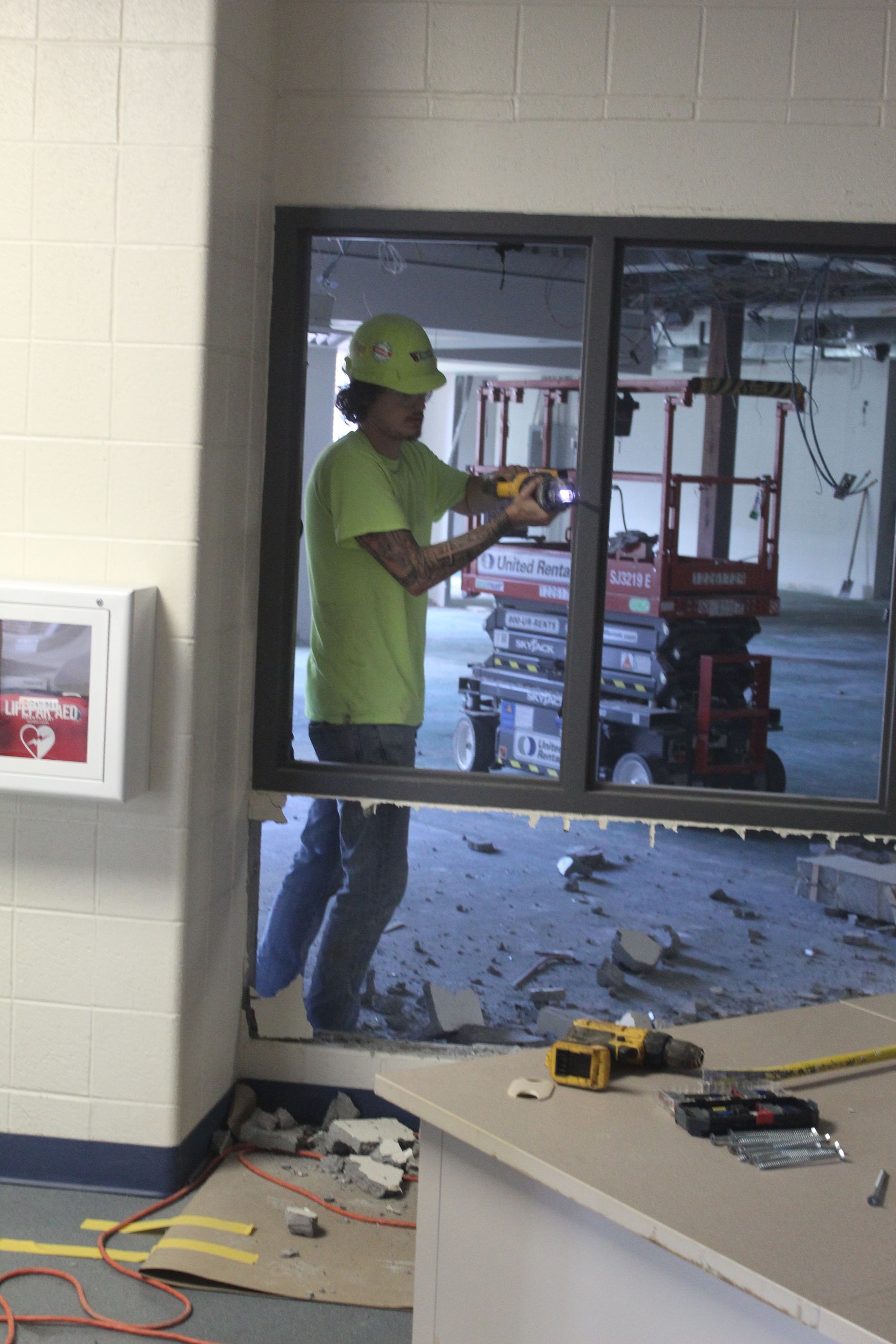
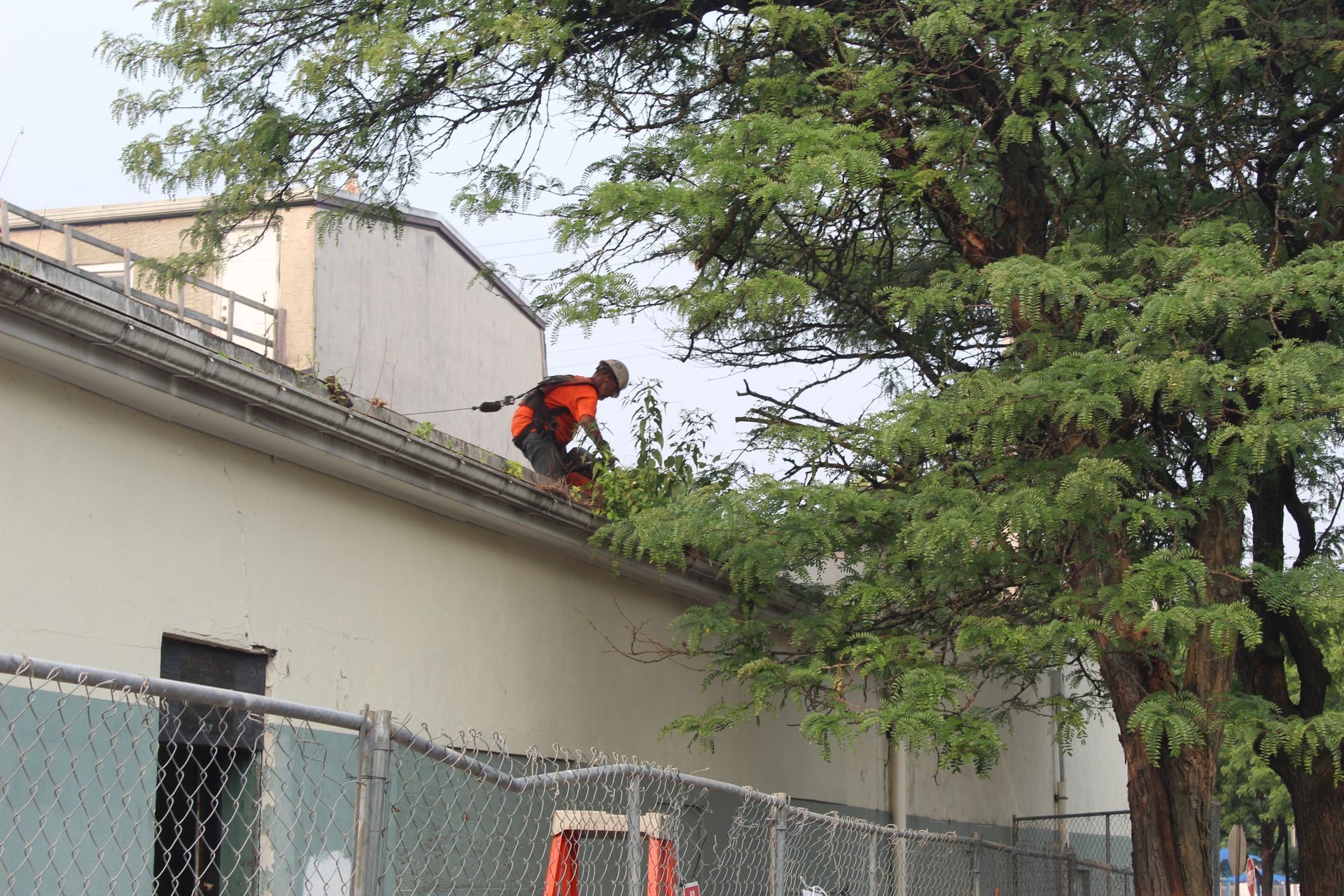
Demolition is about more than tearing something down. It is often the first step toward giving an existing property a new purpose. An outdated building may need to be removed for new construction, an aging structure may need to be carefully dismantled while preserving portions of the property, or an existing space may need to be stripped down before it can be renovated. In urban environments, such as Reading, PA, these projects can present unique challenges. Buildings being demolished are sometimes located close to homes, businesses, and other structures, which can make job site space limited, reroute pedestrians and vehicles, and necessitate protection of utilities and other infrastructure. Completing this type of demolition requires careful planning, specialized equipment, and an experienced workforce that understands how to work safely in limited spaces. Empire Services brings that experience and precision to challenging demolition projects throughout Reading and the tri-state area.
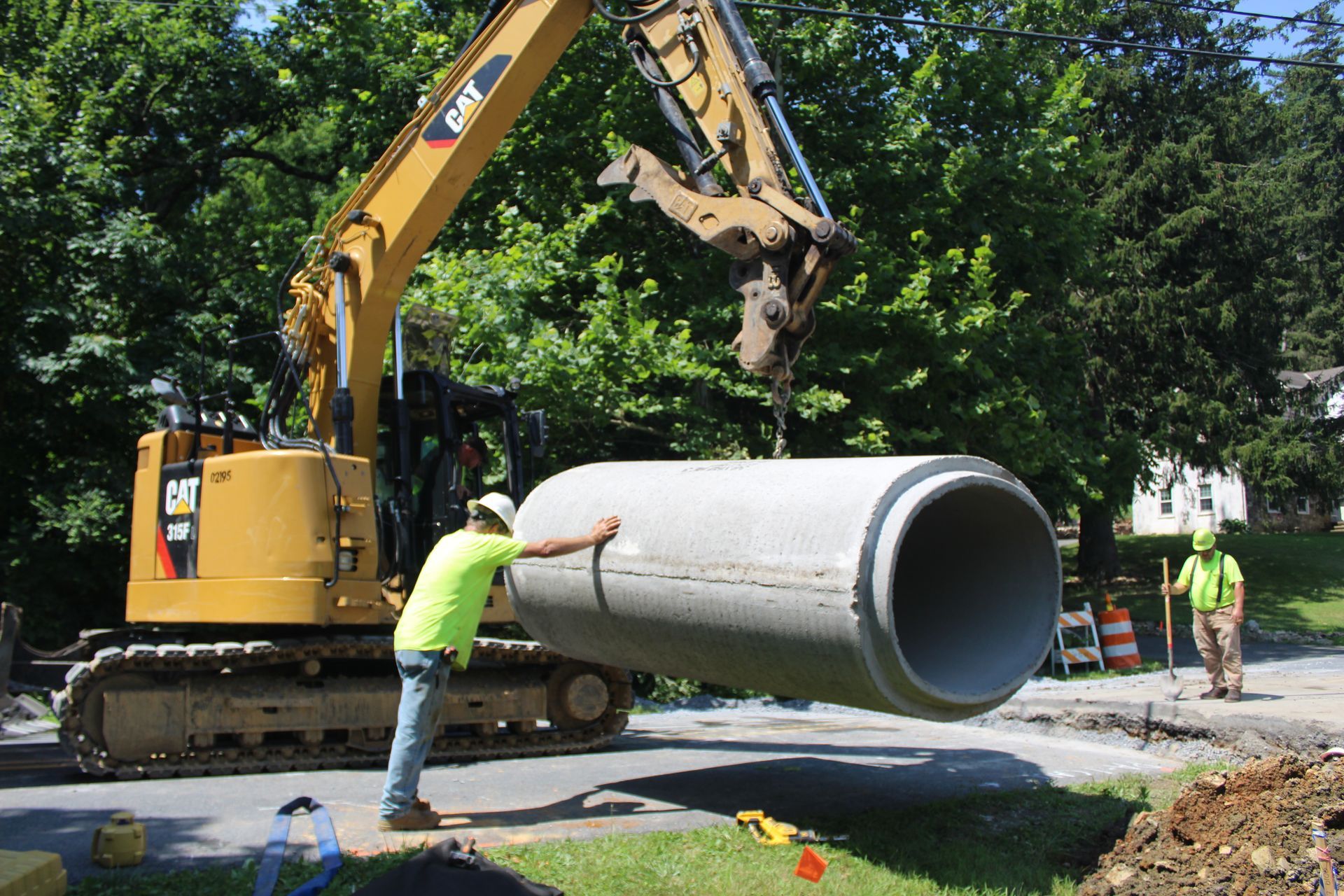
When people think about roads and transportation infrastructure, bridges and highways often come to mind. Yet some of the most important infrastructure is hidden beneath our feet. Storm sewer culverts carry water under roads, railroads, driveways, and embankments, preventing flooding, protecting roadways, and preserving the surrounding environment. Although they are rarely noticed, culverts play a vital role in keeping communities safe. When these underground structures begin to fail, the consequences can include flooding, roadway damage, sinkholes, traffic disruptions, and costly emergency repairs. At Empire Services, preserving infrastructure means staying ahead of these problems. The company's experienced crews recently completed a storm sewer culvert replacement project for Earl Township, restoring an aging drainage system that will continue protecting the roadway and surrounding properties for years to come.
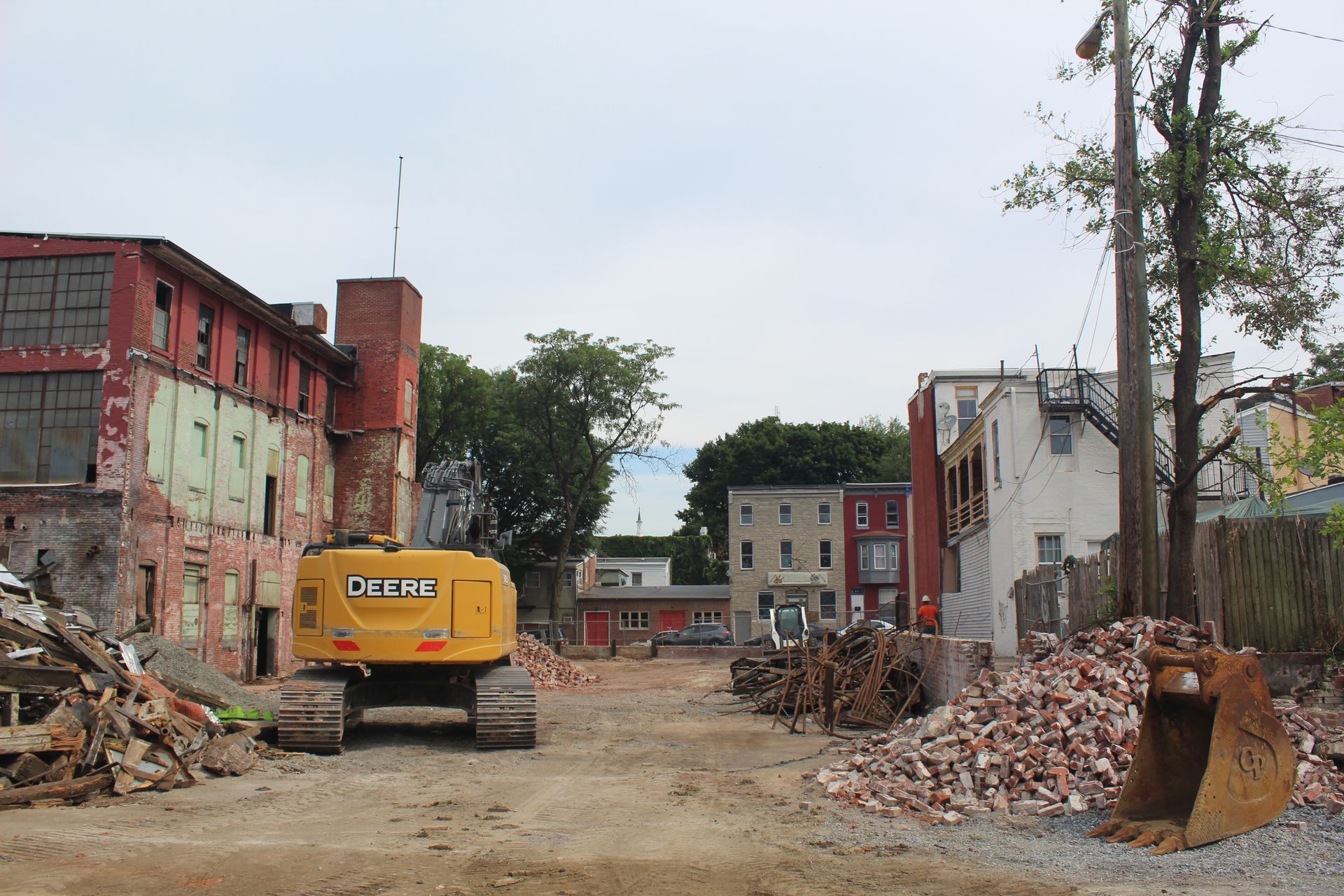
Our demolition and excavation teams worked tirelessly this spring, keeping projects on schedule and ensuring client satisfaction. As summer begins, our team continues to tackle a variety of projects, from precise school upgrades to intricate industrial demolitions. Below are some of our recent project highlights.
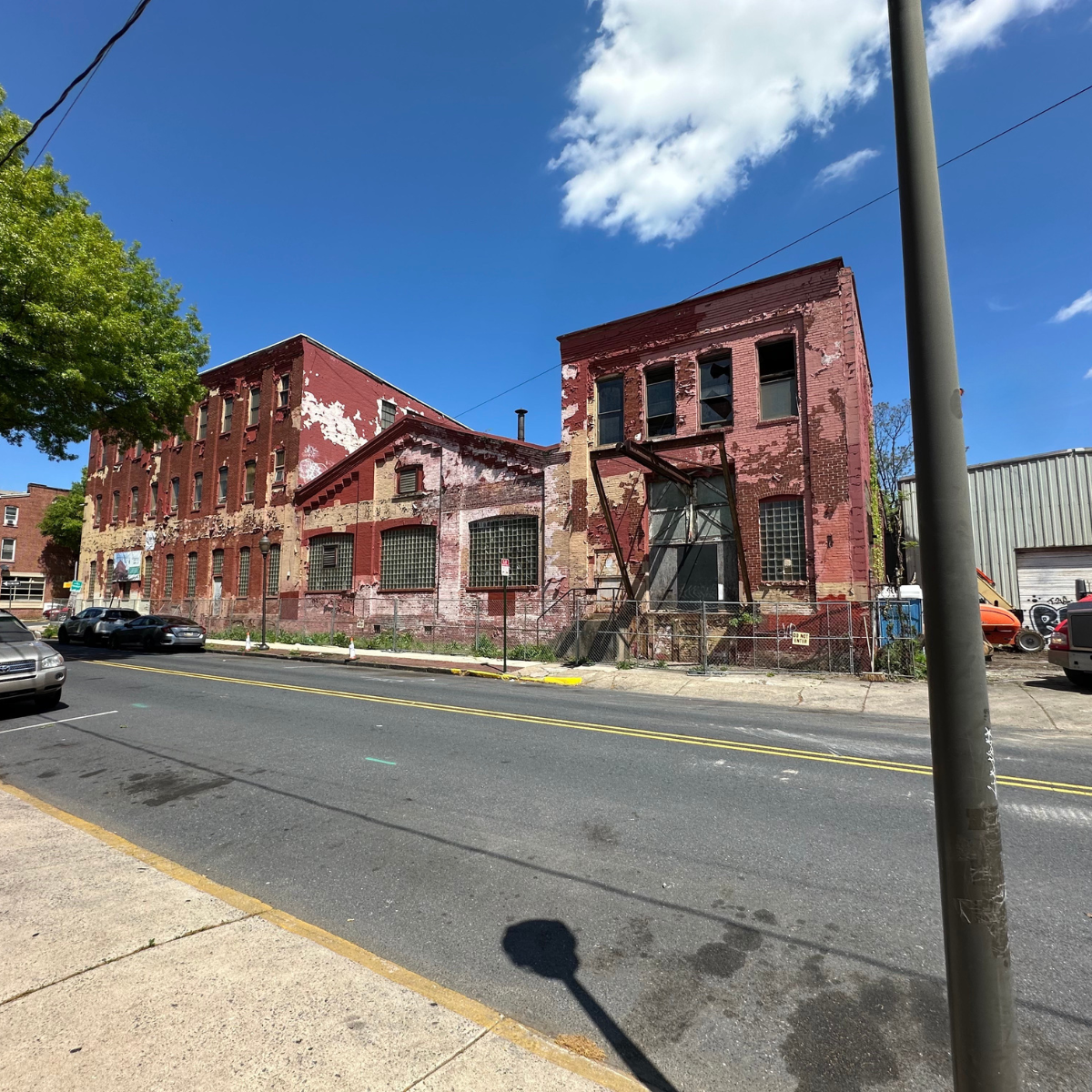
As communities evolve over time, preserving their history creates opportunities for the future, which is what truly drives redevelopment. In Reading, Pennsylvania, that balance is taking shape within the Prince Historic District, where a nearly century-old industrial property is being transformed into modern senior apartments. Empire Services is proud to play a role in this exciting redevelopment project, helping prepare the site for its next chapter while honoring the area's rich heritage.
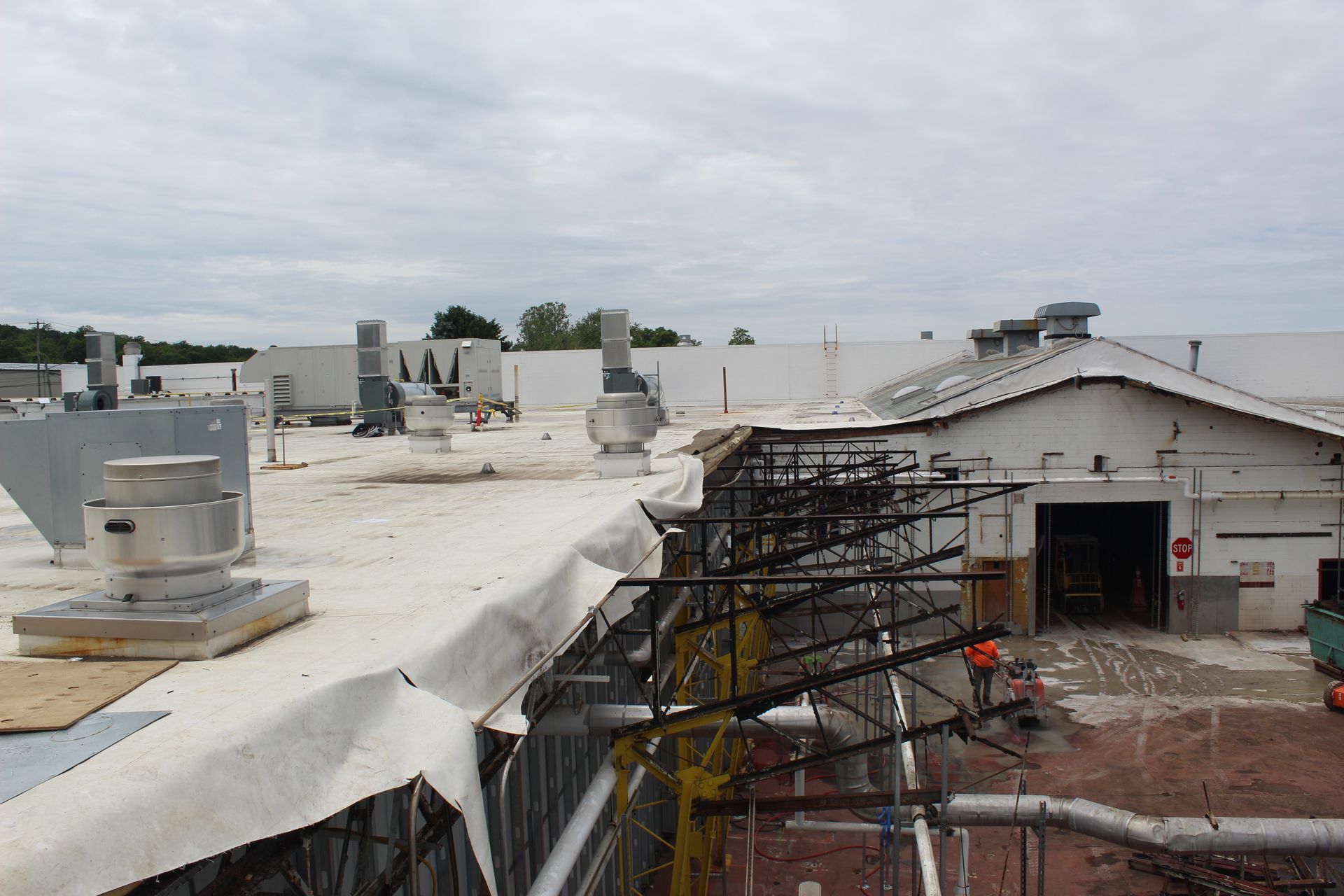
If you ever played the game Operation , you probably remember the pressure. One wrong move with the tweezers and suddenly the buzzer sounded, Cavity Sam’s nose lit up, and your turn was over. Winning the game required patience, coordination, and a steady hand. That same level of precision is happening right now on one of Empire Services’ industrial demolition projects. Empire Services has been contracted by Warfel Construction Company to remove an old roof and support structure at a processing plant to prepare the space for brand new roof construction. While roof demolition may sound straightforward, this project is anything but ordinary. Directly beneath the roof, located in the middle of the active processing plant, are vital active utility lines that can’t be disrupted, creating a high-stakes environment where every cut matters. Just like the game Operation , the Empire Services team must work carefully, methodically, and strategically to avoid “touching the sides."