Torch Cutting: An Important Part of the Demolition Process
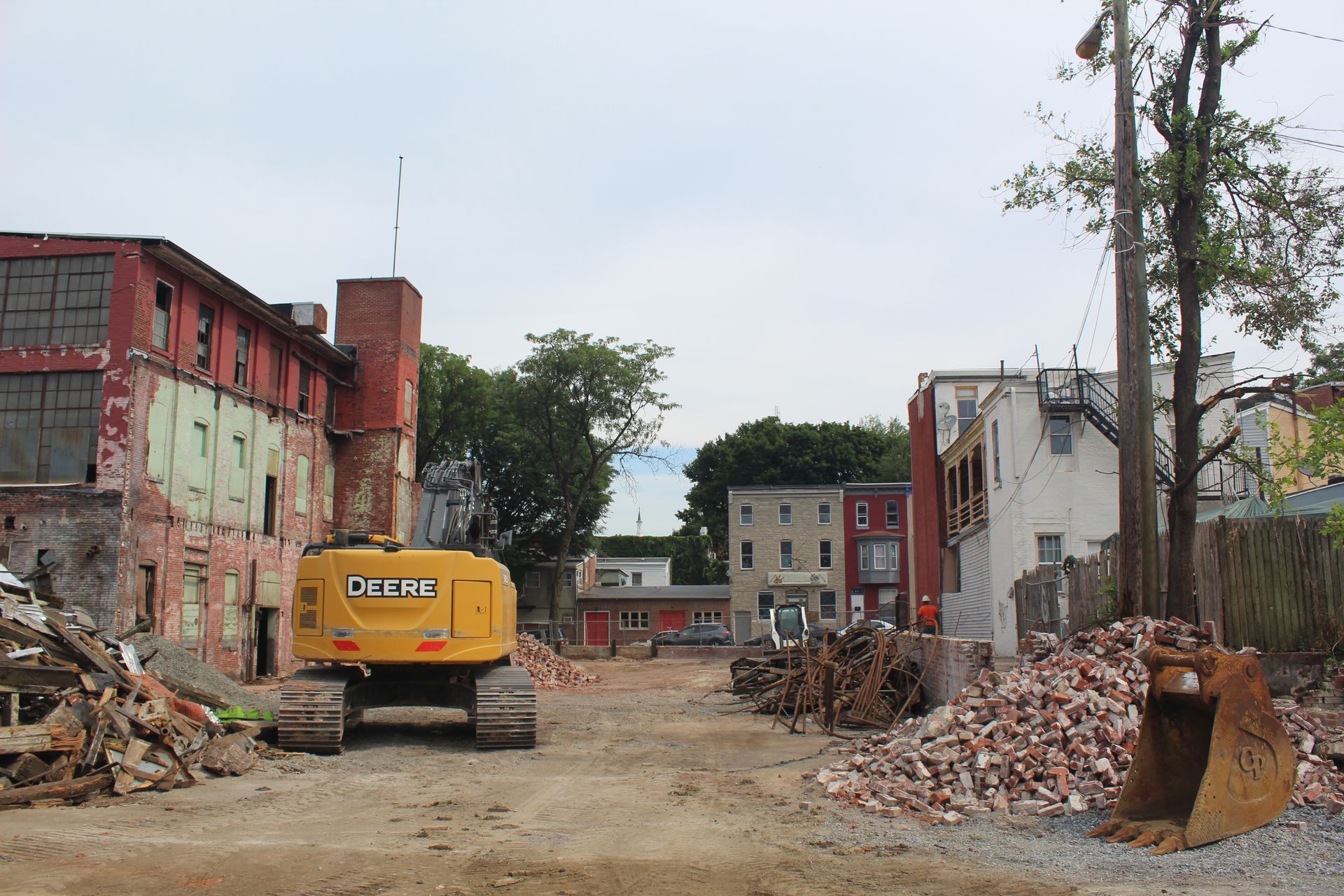
When a building is scheduled for demolition, the first image that often comes to mind is an excavator tearing through concrete, brick, and steel. While heavy machinery does much of the work, demolition rarely relies on a single machine.
Successful demolition combines equipment, experienced operators, careful planning, and specialized techniques to safely dismantle components and remove challenging materials. One technique is torch cutting for separating structural steel and other metal components that heavy equipment cannot always remove efficiently.
For experienced demolition contractors like Empire Services, knowing when and how to use torch cutting helps crews complete complex demolition projects.
What Is Torch Cutting in Demolition?
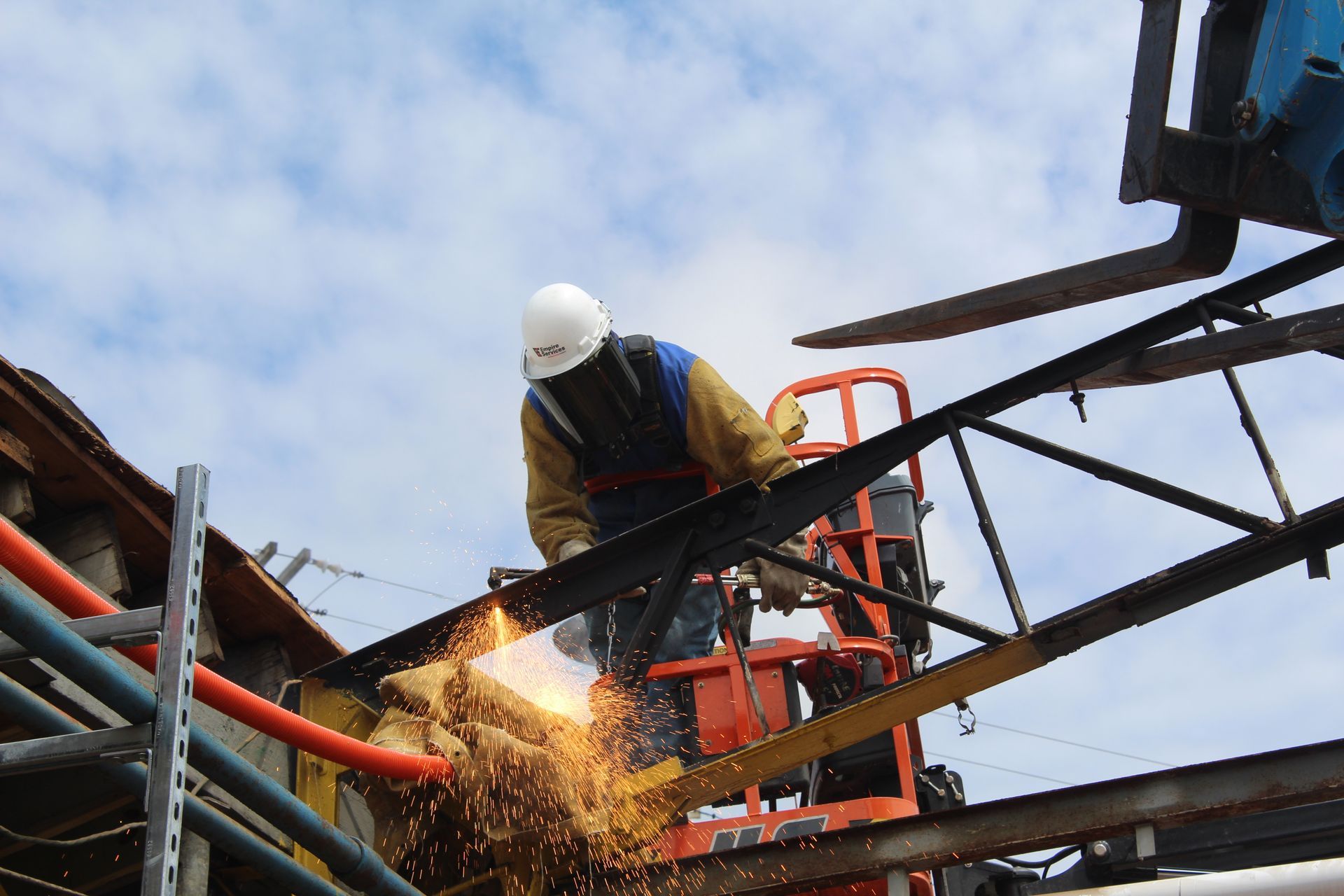
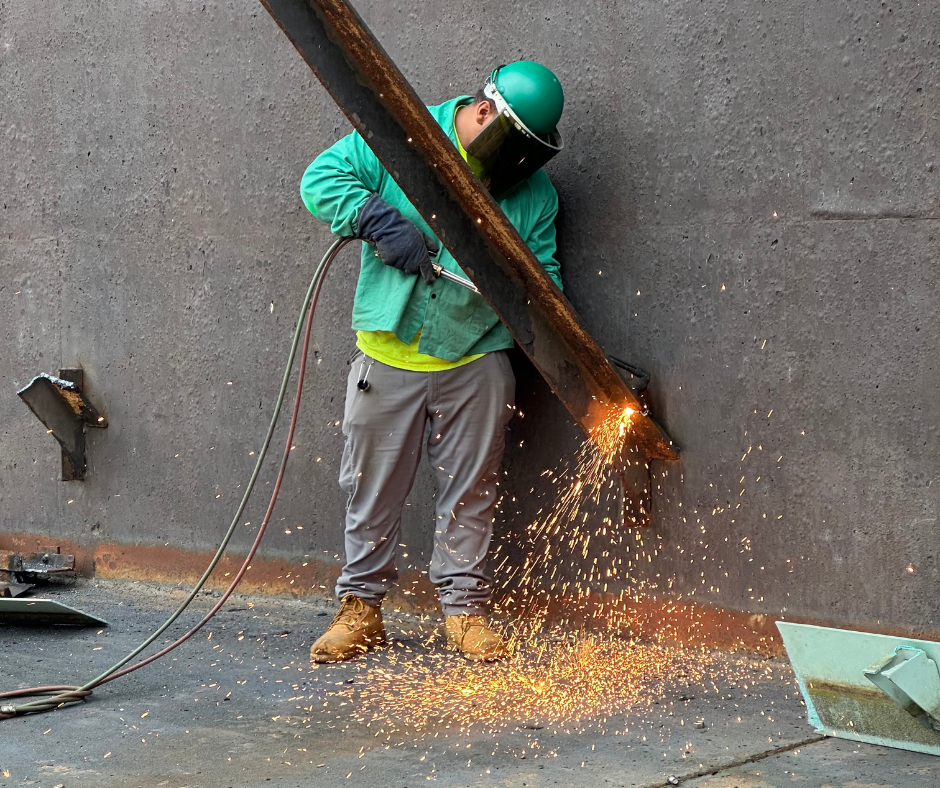
Torch cutting is a hot-work technique that cuts steel and other metals in demolition, often used to separate structural members, connections, piping, tanks, machinery, and other metal components after surrounding materials have been removed.
Heavy equipment provides the power needed for large-scale demolition. Yet, not every component can be safely or efficiently removed using an excavator.
For example, structural steel beams or columns may remain connected after removing concrete, brick, or other surrounding materials. A trained torch operator can cut designated steel connections, freeing individual components for removal by crane, excavator, or other equipment.
It can also separate attached sections of structures during demolition. Careful planning and controlled cutting help crews remove designated steel members while minimizing the risk of unintended damage to materials or structures that are intended to remain.
This is why torch cutting and heavy equipment often work together during demolition.
How Is Torch Cutting Used in Demolition?
The appropriate use of torch cutting depends on the structure, materials, site conditions, and overall demolition plan. Some applications include:
- Removing structural supports: Torch cutting can separate steel supports after removing surrounding materials.
- Separating steel beams and columns: Cutting selected connections can let cranes or other equipment remove large structural pieces that would otherwise be inaccessible.
- Removing tanks and machinery: Large vessels or production equipment that are difficult to dismantle mechanically can sometimes be cut into smaller, more manageable sections.
- Working around materials that must remain: Enabling crews to remove designated steel components in areas where large-scale mechanical demolition risks damage to remaining structures or assets.
- Preparing structures for renovation or upgrades: Selective steel cutting can remove portions of an existing structure for renovation or new additions.
Examples of Torch Cutting Projects
Empire Services has used torch cutting in several demolition applications, where controlled steel cutting was needed.
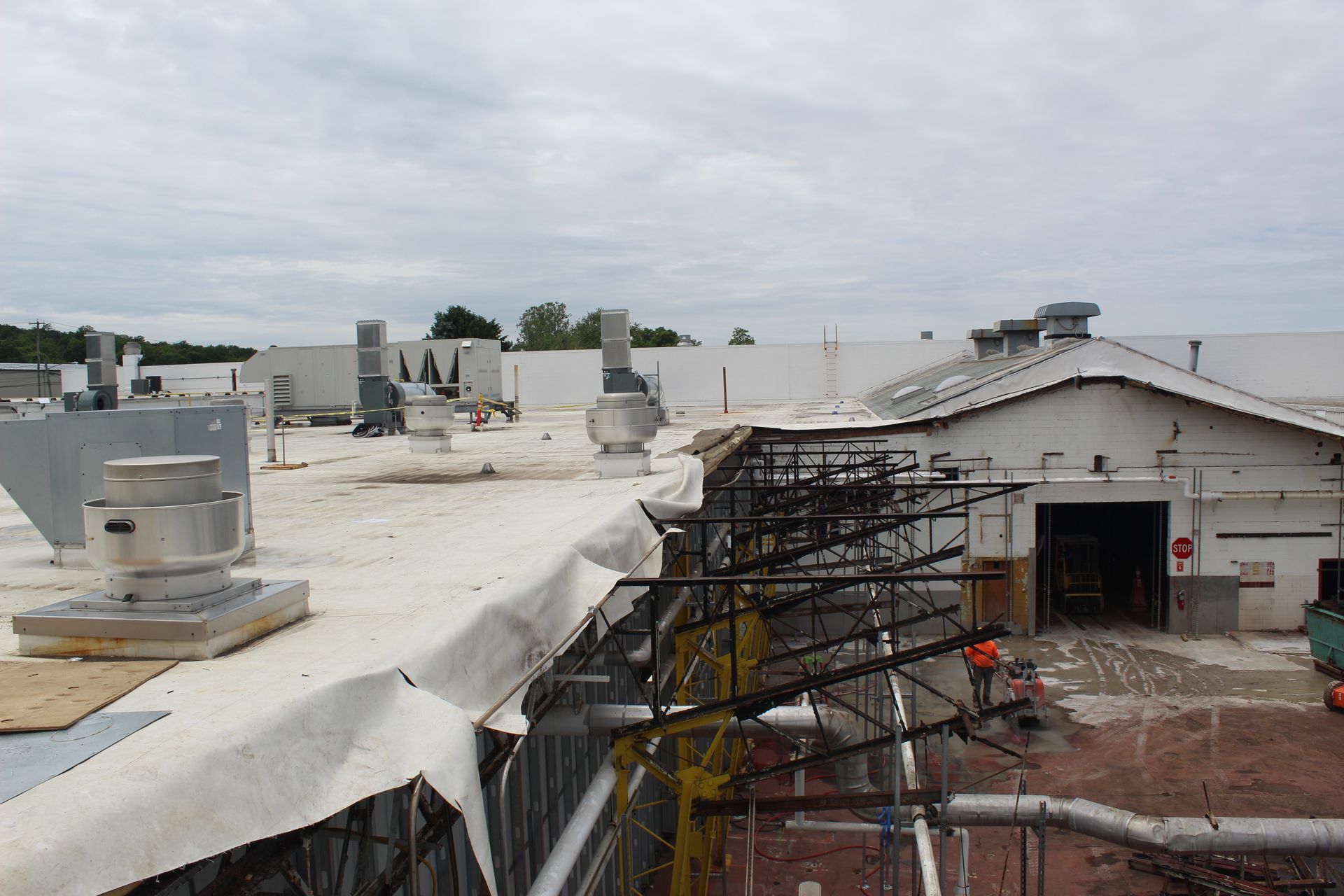
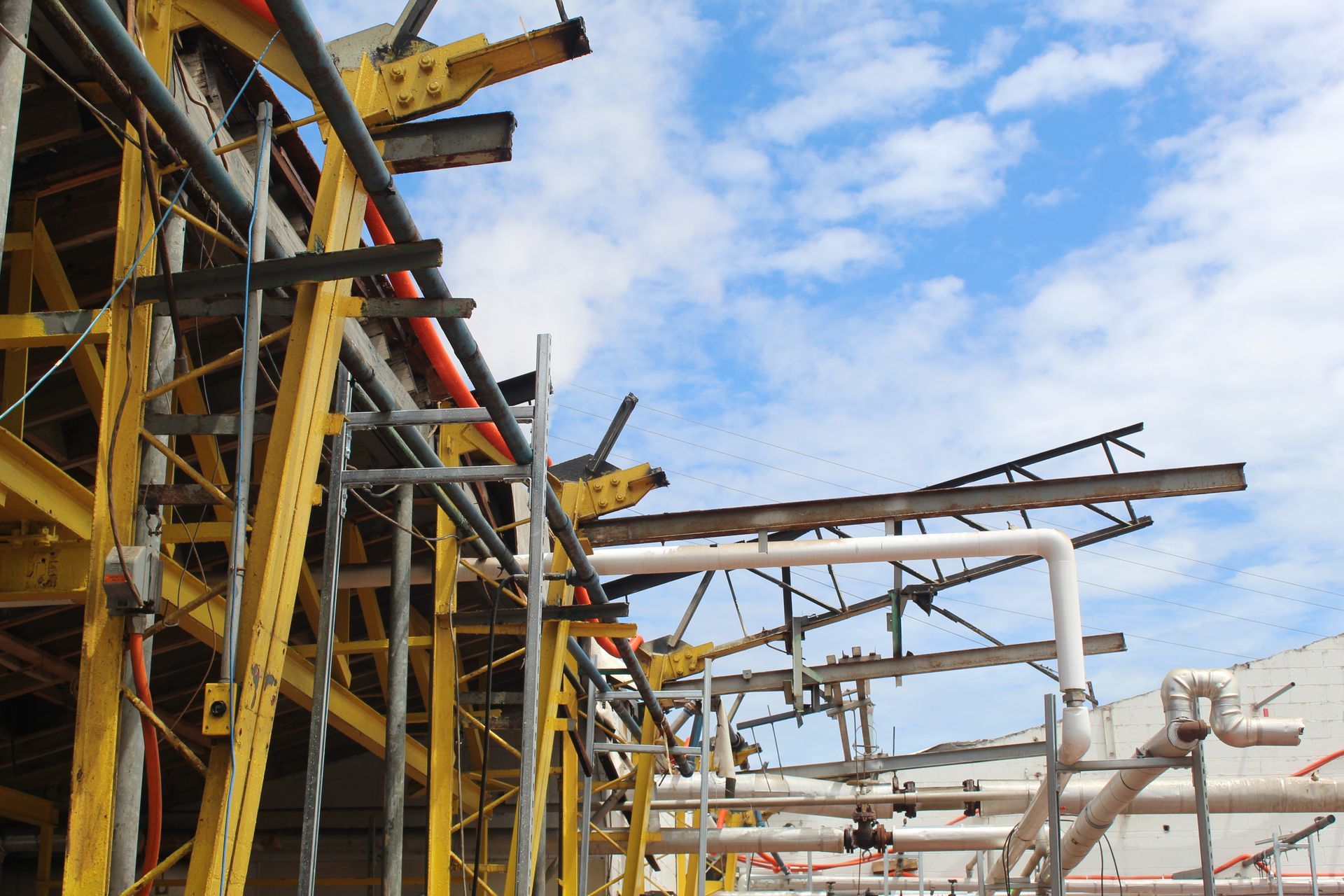
- Roof removal at a processing plant: A network of piping beneath the roof needed to remain in place. After the roof was cut in sections, the crew efficiently torch-cut the metal supports around the active piping.
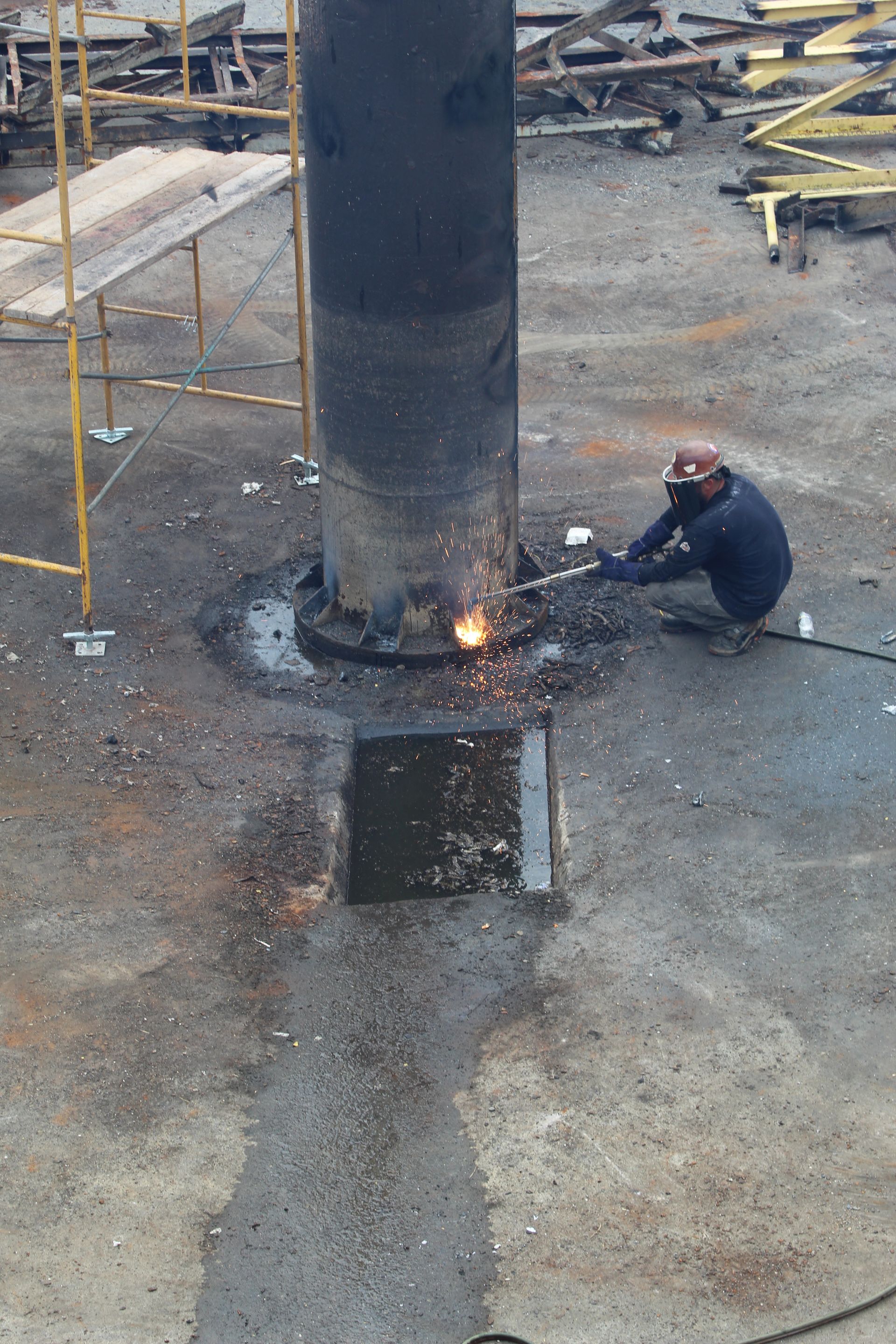
- Clarifier demolition and preparation: Cutting the internal components from a small clarifier and a large clarifier to prepare both structures for upgrades.
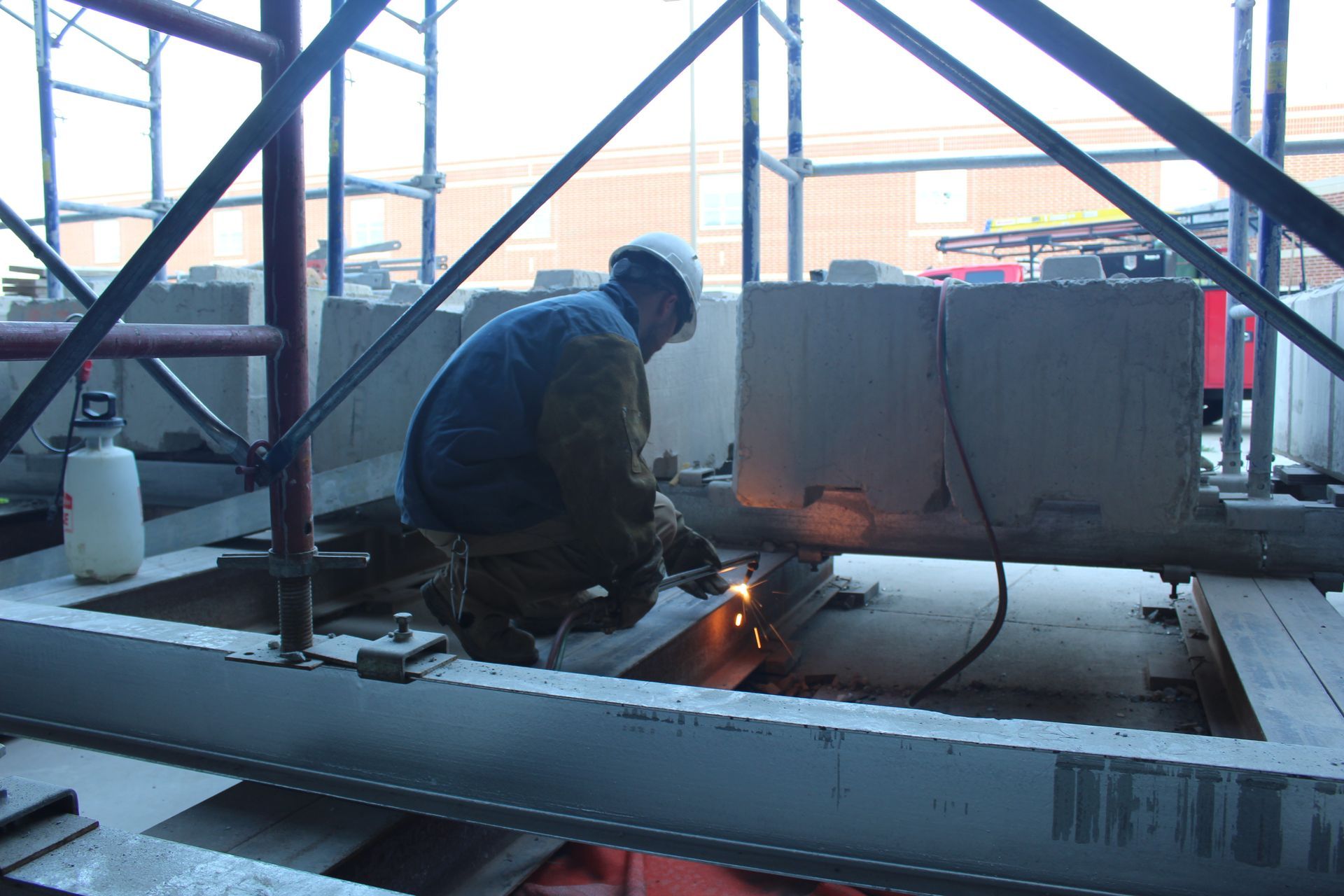
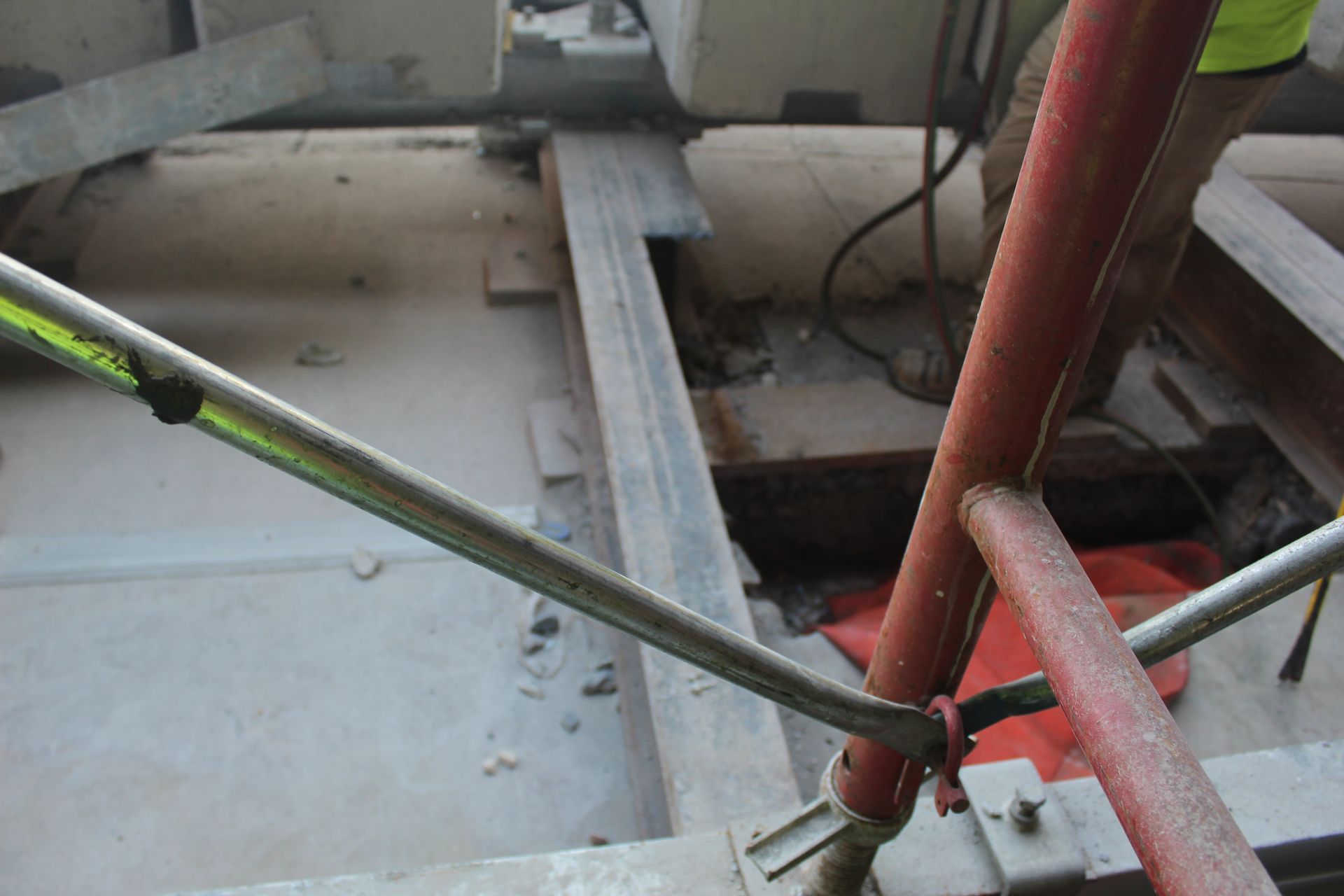
- High school renovation: A portion of a steel beam was cut to accommodate shoring for CMN columns supporting a new header during a renovation project.
Nature's Symphony
Faces of Humanity
These applications illustrate how torch cutting can complement mechanical demolition when certain steel components require controlled removal.
Safety Comes First
Because torch cutting is a form of hot work, fire prevention and site safety are critical.
Combustible materials near the cutting area should be removed or properly protected. Fire-extinguishing equipment and fire-watch procedures are required depending on the work and site conditions.
Inspect the torch-cutting equipment, including hoses, connections, regulators, valves, and other components, before use.
Other safety considerations include:
- Wearing appropriate personal protective equipment (PPE)
- Providing adequate ventilation
- Handling and storing gas cylinders properly
- Protecting workers and surrounding property from sparks, slag, and hot metal
- Controlling combustible materials around the work area
- Maintaining appropriate fire protection
- Evaluating confined-space and atmospheric hazards when applicable
Safe torch cutting involves more than knowing how to operate a torch. Crews must understand how the cutting process interacts with the structure, surrounding materials, workers, equipment, and overall demolition plan.
How Torch Cutting Can Improve Demolition Efficiency
Efficiency in demolition does not always mean using the largest machine on the job. Sometimes, the right specialized tool can make a significant difference.
Torch cutting can help crews divide large or awkward steel components into more manageable sections. Once separated, these materials may be easier to lift, remove, transport, process, or recycle.
Torch cutting can also help crews efficiently dismantle components too difficult for heavy equipment.
By combining torch cutting with excavators, cranes, skid steers, and other demolition equipment, demolition contractors have a variety of methods for effective demolition.
Why Torch Cutting and Heavy Equipment Work Together
While torch cutting and mechanical demolition serve different purposes, they can complement each other.
An excavator may provide the force needed to remove concrete and other building materials, while a torch can separate steel components that remain connected. A crane can then lift and remove them.
Using different tools for different parts of the demolition process gives crews greater control over complex structures and helps them adapt to changing site conditions.
Final Thoughts
Torch cutting may be one part of a demolition operation, but it can play an important role when separating structural steel and other metal components.
Successful demolition requires more than heavy equipment. It requires planning, experienced professionals, appropriate equipment, and specialized techniques suited to the structure and site conditions.
Empire Services combines mechanical demolition capabilities with specialized techniques, such as torch cutting, to tackle complex demolition and selective removal projects. When a project requires controlled steel cutting as part of the demolition process, the right equipment and experienced professionals can help keep the work moving safely and efficiently.