Spring & Excavation: What You Need to Know
Empire Services • February 21, 2022

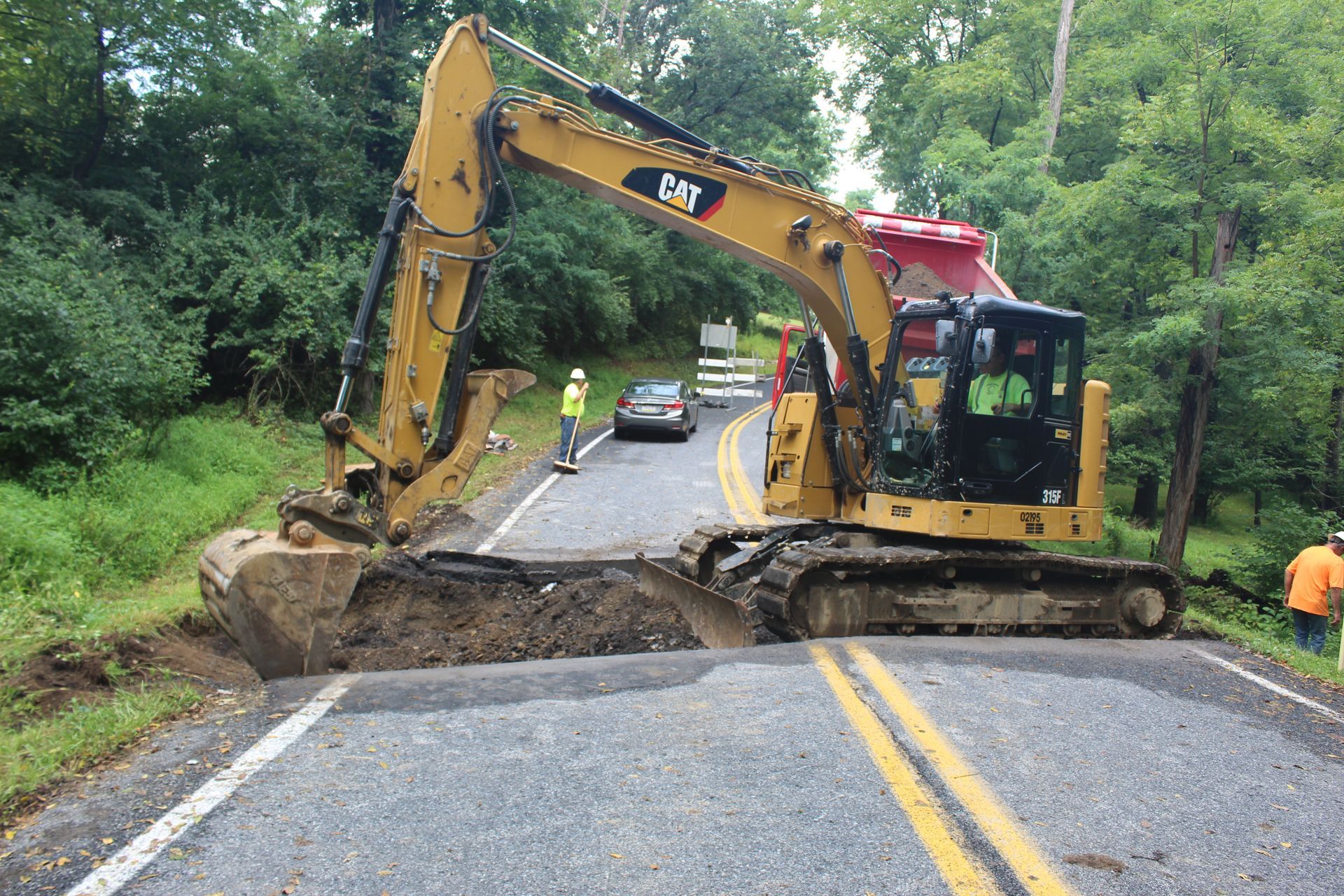
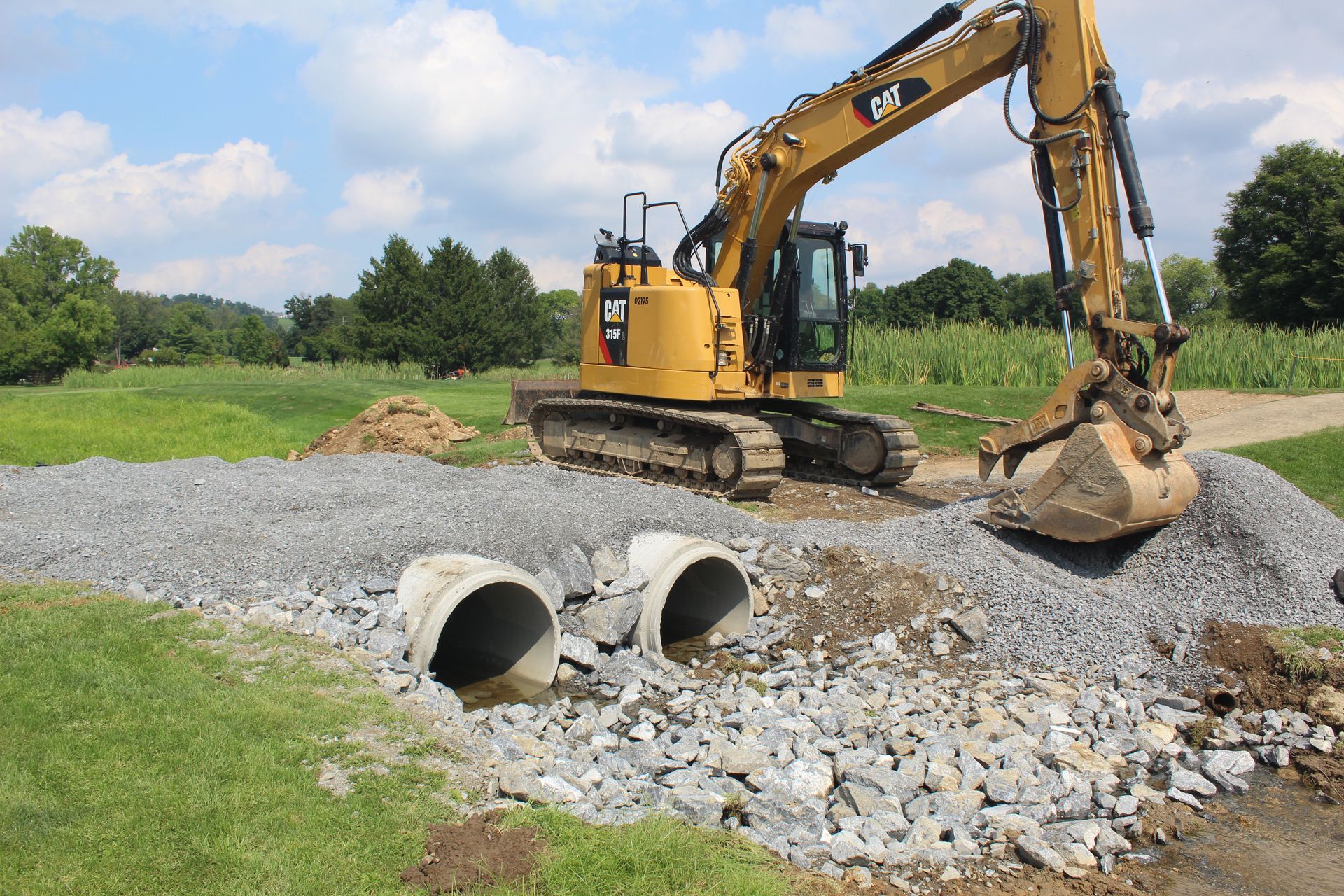
Spring means warm temperatures and budding flowers. However, the weather can be unpredictable in terms of downpours, thunderstorms, and high winds. With excavation companies, the warm temperatures mean back to business, especially after a harsh winter. Does this mean that spring is the best time for excavation companies? Yes and no. To be fully prepared to work on spring projects, you need to know what to expect. 


Working in Springtime 


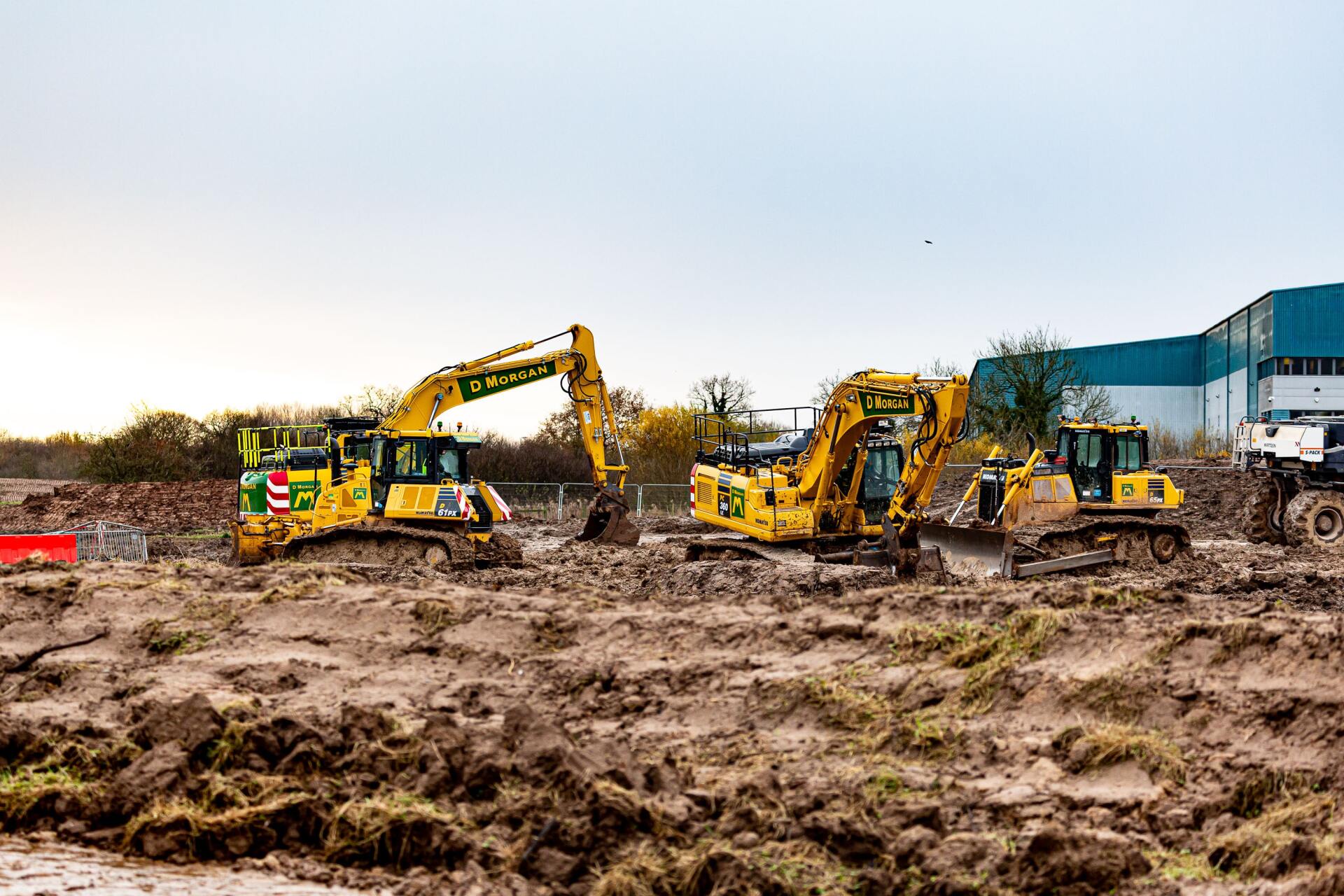
Once the temperatures begin to rise, excavation (and demolition) projects get back on track. Everyone is eager to get outside and rev up their equipment. Yet, the warm temperatures can be just as dangerous as cold temperatures. Rain in the spring can be excessive because warmer air can hold more moisture than colder air in the Northern Hemisphere. This can not only cause a project delay, but also be a safety concern. Thunderstorms can also pop up, which involves lightning strikes and the safety standards for them. Along with thunderstorms (and without them), there can be high winds. They are annoying to people, but dangerous for teams working on job sites. Wind gusts can blow dirt, debris, and aggregate around, and can even cause dump trucks to tip or blow the truck’s load. Project managers must know when it is time to stop a project for the safety of the team.


Keeping Your Workers and Equipment Safe 


Rain creates mud, and in the spring, there is a lot of it. So much so, that it can cake the undercarriage of your equipment. Stopping to clean it can mean a long delay, costing time and money. Mud can also create cave ins, especially if your workers are working in trenches. Trench shores and shields should be used. 


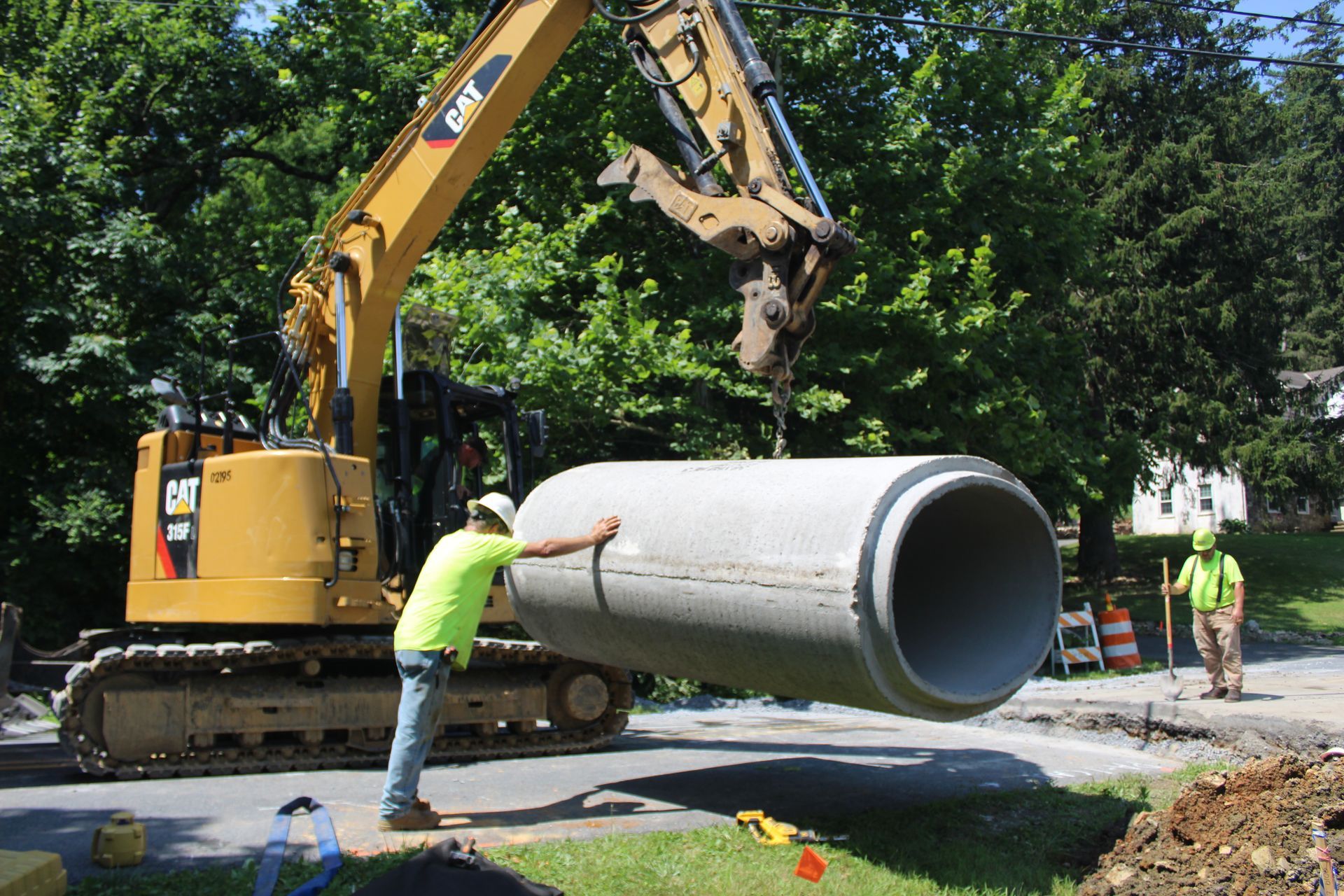
If a ground is too soft from excessive rain, equipment can sink or loose traction, in which the equipment will need to be “rescued.” Further, the ground can even collapse, causing a piece of equipment to fall into it. To prevent this, soft ground areas should be identified. Wide track shoes for excavators should be used on sticky soil (mud) to increase traction and grip, which reduces ground pressure. It’s also important for workers to wear the proper personal protection equipment, such as safety vests, hard hats, and waterproof boots.


Although we can’t control the weather, we can implement safety practices to keep our workers safe. At Empire Services, safety is our number one priority. Thus, working in the springtime requires additional safety measures due to rain and wind. You can count on us to get the job done in the spring – or in any season. Contact us today to learn more! 



By Empire Services April 24, 2026
When businesses grow, their spaces need to evolve with them. Whether it’s reconfiguring an office layout or repurposing an older industrial property, renovation is often the key to unlocking a company’s full potential. For many organizations, purchasing an existing structure offers the space they need—but it also presents the challenge of transforming it into something functional, safe, and future-ready. That was the case for Empire Services with the pit project at a former manufacturing facility.
By Empire Services April 15, 2026
Spring has officially arrived—and at Empire Services, that means transitioning from snow removal to excavation and site development. After a long winter of keeping communities safe and accessible, our team is prepared and ready to take on new projects across the region.
By Empire Services March 23, 2026
In every industry, technology is revising processes, materials, and timelines. The demolition sector is no exception—it has evolved into a smarter, more sustainable, and safer industry. As construction rebounds and infrastructure investment accelerates, demolition contractors are adopting more efficient, innovative ways of working. In fact, the construction and demolition waste sector is projected to grow significantly, reaching over $230 billion and continuing to grow over $310 billion by 2030. With this momentum in mind, let’s take a look at the top five demolition trends for this year. 1. Sustainable Demolition Sustainability has become a central focus of construction, with demolition playing a critical role in that shift. General contractors are choosing deconstruction ( selective demolition ) over total demolition, which involves carefully dismantling structures to recycle valuable materials such as concrete, steel, and wood. This approach reduces landfill waste, supports recycling and reuse, and aligns with circular economy initiatives (salvaged materials do not become waste). As regulations tighten and clients prioritize environmental performance, sustainable demolition practices are a key factor in winning and delivering projects. 2. Advanced Technology and Automation Technology is rapidly reshaping demolition sites into safer, more data-driven environments. Robotics (e.g., robot dog) and remote-controlled equipment are increasingly used to perform high-risk tasks, minimizing unsafe conditions. Drones have become essential for site surveys, inspections, and progress tracking, offering faster and more accurate visibility across projects. Lastly, we cannot forget about artificial intelligence (AI). AI and advanced analytics identify potential risks, monitor equipment performance, and make real-time decisions. Together, these tools are improving precision, reducing delays, and enhancing overall project efficiency. 3. Infrastructure Investment and Urban Redevelopment The rise in infrastructure investment and urban redevelopment projects is creating strong demand for demolition services. As cities continue to grow and aging structures require replacement, general contractors see opportunities in adaptive reuse and large-scale redevelopment initiatives. Demolition is often the first and most critical step in these projects, particularly in urban environments where space constraints are challenging. This trend is expected to continue as both public and private sectors invest in modernizing infrastructure and repurposing existing spaces. 4. Increased Focus on Safety and Compliance Safety remains a top priority in demolition, especially as projects become more complex. Demolition contractors are investing in advanced solutions, including remote-controlled machinery, monitoring systems, and advanced training programs to reduce risk on-site. These technologies allow demolition teams to identify potential issues earlier and respond more effectively, helping to prevent incidents and maintain compliance with evolving safety standards. A proactive approach to safety not only protects workers but also reduces costly disruptions and improves overall project results. 5. Specialized Equipment for Modern Challenges As demolition projects become more complex, specialized equipment has become mandatory. High-reach excavators are now commonly used for multi-story structures, particularly in urban settings where precision is essential to protect nearby buildings and infrastructure. Customized attachments provide more controlled and selective demolition, enabling demolition teams to work efficiently while minimizing disruption. This shift toward specialized equipment reflects the industry’s broader move toward precision, adaptability, and operational excellence. Final Thoughts Today’s demolition industry is driven by innovation, sustainability, and precision. Demolition contractors who embrace these trends are better positioned to deliver safer, more efficient, and environmentally responsible results in an increasingly competitive market. At Empire Services, we are committed to staying ahead of industry advancements—providing our clients with demolition solutions that set the stage for success.
By Empire Services March 10, 2026
Demolition is often viewed as simply tearing down structures to make room for renovation or new construction. However, demolition services vary significantly depending on the structure type, materials involved, and safety requirements. The two services that are often confused are exterior demolition and industrial demolition. Though both involve dismantling, their scope, complexity, equipment, and regulatory needs are distinct. Understanding these differences will help you choose the right demolition service for your project.
Removing concrete during an interior demolition.
By Empire Services February 23, 2026
Learn how interior demolition preserves structural integrity while preparing your space for renovation. Discover when selective demolition is the right solution.
By Empire Services February 9, 2026
Updated February 6, 2026, for additional information.
By Empire Services January 27, 2026
When planning a commercial renovation, expansion, or redevelopment, demolition is often the first critical step. At Empire Services, we work with general contractors, property managers, and developers who want clarity, transparency, and confidence before starting a demolition project. Below are the top five questions business owners ask about demolition, based on what we have heard from our clients. 1. How Much Will the Demolition Cost? Demolition costs vary depending on several factors, including: Size and type of the structure Building materials (concrete, steel, wood, etc.) Project location and site access Required permits and inspections Waste removal and recycling needs At Empire Services, we provide detailed, upfront estimates so there are no surprises. 2. How Long Will the Demolition Take? Timelines are critical for minimizing downtime and coordinating construction schedules. The duration depends on: Scope of work ( select interior vs. full demolition ) Contaminated material presence Site conditions and access Approval and inspection timelines Empire Services focuses on efficient planning to keep your project moving forward. 3. Do I Need Permits or Approvals for Demolition? Most demolition projects require permits and approvals, such as: Local demolition permits Zoning or planning approvals State required inspections and permits Empire Services handles the permitting process for you, saving time and reducing stress. 4. Can Demolition Be Done While My Business Is Still Operating? In many cases, select or phased demolition can allow business operations to continue. Empire Services designs demolition plans that minimize disruption while maintaining safety and compliance. 5. What Happens to the Debris and Waste Materials? Responsible waste handling is essential for cost control and sustainability. Debris may include concrete, metal, drywall, and wood. Empire Services prioritizes: Recycling whenever possible Proper disposal of all materials Environmentally responsible practices Bonus Question: What Safety Measures Are in Place During Demolition? Safety is our top priority. Empire Services follows OSHA standards and implements site-specific safety plans to protect workers, occupants, and the public. Our team is trained in the latest safety practices by Empire Group’s safety team . Start Your Demolition Project with Confidence At Empire Services, we deliver professional, efficient, and compliant demolition services designed around your business goals. From planning to site readiness, we manage every step of the process. 📞 Ready to get started? Fill out our contact form or give us a call at 610-372-6511.
By Empire Services January 12, 2026
Demolition doesn’t always mean tearing a building down to the ground. In fact, one of the most valuable and widely used approaches in today’s construction is select demolition, which includes interior, exterior and structural removals. At Empire Services, select exterior demolition is more than a service—it’s a craft built on experience, planning, and precision. What Exactly Is Select Exterior Demolition? Select exterior demolition involves the careful removal of specific exterior elements of a structure while keeping the rest of the building intact. This can include finishes or components such as brick, siding, windows, doors, or exterior wall sections. Because only targeted areas are removed, the term selective demolition is often referred to as select demolition. What makes it unique is its balance of craftsmanship and power. Depending on the scope and sensitivity of the project, the work may be performed: By hand , for detailed removals like windows, doors, or masonry With heavy equipment , when larger exterior sections need to be removed efficiently This approach is commonly used on both residential and commercial structures when materials have deteriorated due to age, rot, mold, or structural wear. The success of the job depends on choosing the right method for each area of the structure. It’s also a key step when preparing a building for expansion or a completely new façade. Real Projects. Real Results. Empire Services has proudly supported numerous exterior demolition projects across Pennsylvania, partnering with municipalities, institutions, and general contractors. We were honored to participate in the renovation of the Springfield Municipal Building in Delaware County, PA. Empire Services' team utilized a CAT 325 excavator to carefully dismantle the key sections, including the front façade. These sections were delicately hand separated from the remaining section, which preserved the integrity of the remaining structure. This work helped clear the way for modernization while preserving the building’s core structure.
By Empire Services December 16, 2025
We find ourselves at the end of another year. Where has the time gone? Empire Services completed a variety of demolition, site, and civil projects. Each one required a strategic solution to achieve successful results. Let’s take a look at some project and event highlights from this year.
By Empire Services November 24, 2025
What began as a simple timeline project quickly became a heartfelt journey through Empire Group’s living history. As dates, milestones, and old photographs came together, so did the stories—memories shared by former employees whose passion and dedication helped shape the company from the ground up. From dismantling a radio tower to demolishing a drive-in theater, their recollections painted a vivid portrait of a company built on grit, innovation, and camaraderie. Former employees Ray Geiger, Bob Nocera and Steve Beisswanger sat down with Ellen Ganime (Empire Group) to revisit decades of work, flipping through photo albums, and reliving the challenges and triumphs of past projects. As they talked, one thing was unmistakably clear: Empire Group’s story is not just about the jobs completed—it’s about the people whose shared experiences fueled the company’s growth. A Legacy Etched in Steel and Stone One of the many things that stood out during this project was the sheer scale and impact of Empire’s work over the decades. Vintage photos revealed the dramatic evolution of equipment, techniques, and industry standards. Many projects were so ambitious in scope that they gained national attention in magazines like Demolition and Constructioneer. Each snapshot served as a reminder of how far the company has come. More Than a Timeline—A Tribute What started as a historical record became something much more: a tribute to the people, progress, and perseverance that define Empire Group’s 70-year legacy. The timeline celebrates the company’s humble beginnings, its extraordinary achievements, and the enduring spirit that continues to drive it forward. A Big Thank You This project would not have come to life without the help from several people: Karen O’Neill Allen Dejewski Ryleigh Bohning Ellyn Harkin Tonia Carlile A special thank you to Todd and Harry O’Neill for sharing their extensive collection of articles and photos, and to Ray Geiger, Bob Nocera, and Steve Beisswanger for their great stories and photo albums. Be sure to stop by the training room to check out the timeline for yourself!
More Posts